
Measles is one of the most contagious viral illnesses in the world, capable of spreading rapidly through communities when vaccination rates decline. Although Australia has maintained elimination status for many years, recent imported cases and clusters have reminded us that outbreaks can still occur, especially in cities and suburbs with lower immunisation coverage. Understanding how it spreads, how to protect yourself from measles and what actions to take during a confirmed outbreak can help reduce community transmission and keep vulnerable groups safe.
Understanding Measles and How It Spreads
Measles is caused by the measles morbillivirus, which is easily transmitted through respiratory droplets when an infected person coughs or sneezes. The virus can linger in the air for up to two hours after an infectious person has left a room. This means that even brief or indirect contact in shared spaces such as public transport, shopping centres and medical facilities can lead to infection. According to the World Health Organization, outbreaks often begin when an infected traveller enters an area with pockets of under-vaccinated people, allowing the virus to spread quickly within unprotected groups. For additional context on global measles trends, see guidance from the World Health Organization.
Symptoms typically appear ten to fourteen days after exposure and include high fever, cough, runny nose, sore eyes and a characteristic red rash. Individuals are infectious from four days before the rash appears until four days after.
Why Measles Still Poses a Risk in Australia
Although routine childhood immunisation has reduced measles circulation, outbreaks still occur when vaccination rates drop or when adults are unaware of their immunisation status. International travel also increases the risk of imported cases. Data from the Australian Government Department of Health highlights that measles can spread rapidly once introduced, particularly among people born after 1966 who may have missed a second dose of the vaccine.
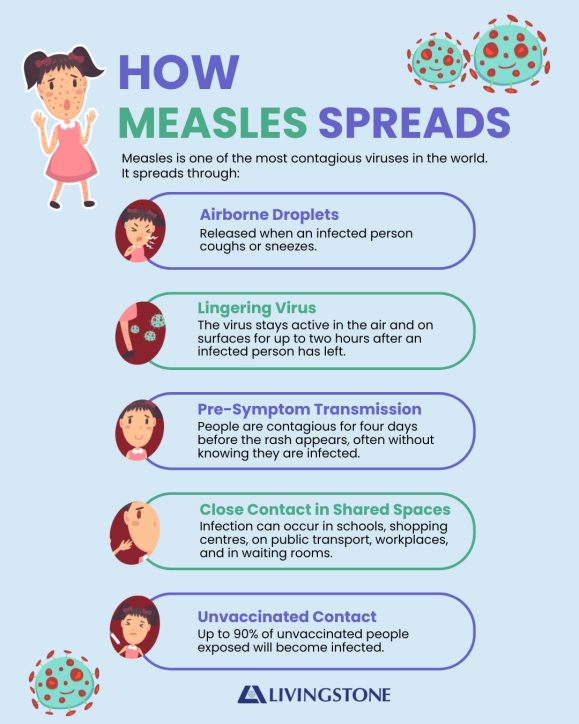
Because measles spreads before symptoms are recognised, controlling outbreaks relies heavily on rapid public health action and high community vaccination uptake. More details on Australian public health responses can be found through the Australian Government Department of Health.
What to Do During a Measles Outbreak in Your City or Suburb
If health authorities confirm a measles case in your local area, taking timely and appropriate action can significantly reduce community spread. Consider the following steps:
1. Check Your Vaccination Status
The measles, mumps and rubella (MMR) vaccine is the best protection. If you are unsure about your vaccination history, speak with your GP or check your immunisation record. Adults born after 1966 should have received two doses of the MMR vaccine. If not, vaccination is safe and strongly recommended.
2. Follow Public Health Alerts
Local health authorities often publish exposure sites such as supermarkets, gyms, schools or buses where infectious individuals may have been present. If you were at an exposure location during the specified time, contact your healthcare provider for advice, especially if you are unvaccinated or immunocompromised.
3. Isolate if You Develop Symptoms
If you experience fever, cough, sore eyes or a rash, avoid attending school, work or public places and seek medical assistance. Always call ahead before visiting a clinic or hospital so they can implement infection control measures.
4. Protect Vulnerable Individuals
Infants, pregnant women and people with weakened immune systems are at increased risk of severe complications. Limit their exposure by keeping them away from large gatherings during active outbreaks and ensuring household members are fully vaccinated.
Individual Prevention Strategies
Strong community immunity and good personal hygiene practices help minimise the risk of transmission.
Vaccination
Two doses of the MMR vaccine provide around 99 percent protection. Children typically receive doses at 12 months and 18 months as part of the National Immunisation Program. Adults who missed doses can be vaccinated at any time.
Hand Hygiene and Respiratory Etiquette
Clean hands regularly with soap or an alcohol based sanitiser. Cover your mouth and nose with a tissue when coughing or sneezing and dispose of tissues immediately.
Avoid Close Contact During Outbreaks
If measles cases are confirmed in your suburb, avoid sharing drinks, utensils or personal items and limit time spent in crowded indoor spaces.
Stay Informed
Public health units, GPs and official government channels provide accurate updates. Avoid misinformation and rely on trustworthy sources for guidance.
When to Seek Urgent Medical Attention
Although most people recover fully, complications can include pneumonia, ear infections and encephalitis. Seek urgent care if a child shows signs of dehydration, difficulty breathing or persistent high fever, or if an adult experiences confusion or severe lethargy. Pregnant women should always contact a healthcare professional immediately if exposed to measles.
Measles outbreaks are preventable when communities maintain high vaccination rates, respond quickly to public health advice and remain informed. By understanding how measles spreads, recognising symptoms early and taking responsible action, individuals can contribute to safer, healthier communities. Whether you live in a busy city or a small suburb, the steps you take at an individual level play a vital role in protecting those around you.
References
- Australian Government Department of Health 2024, Measles, viewed 26 November 2025, https://www.health.gov.au/diseases/measles.
- World Health Organization 2023, Measles Fact Sheet, viewed 26 November 2025, https://www.who.int/news-room/fact-sheets/detail/measles.