





























































Spills can happen in any environment, from healthcare facilities and laboratories to warehouses, schools, and industrial sites. Whether it is a chemical leak, oil spill, or biological hazard, the impact can be immediate and serious. A spill control kit is a critical safety solution designed to contain, manage, and clean up hazardous substances quickly and effectively.
This guide explains why spill kits are essential, what they do, when to use them, and how they support compliance with Australian workplace regulations.
What is a Spill Control Kit?
A spill control kit is a collection of absorbent materials and protective equipment used to safely contain and clean up liquid spills. Kits are typically tailored to specific spill types such as:
- General purpose spills including water based liquids
- Oil and fuel spills
- Chemical and hazardous substance spills
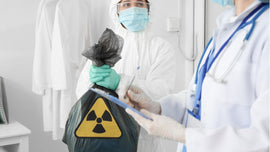
- Biohazard spills in healthcare or laboratory settings
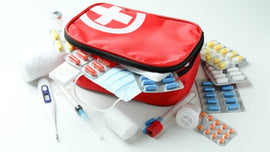
Most kits include absorbent pads, socks, disposal bags, gloves, and instructions for safe use.
Why Are Spill Control Kits Needed?
1. Protects People and Workplace Safety
Spills can create immediate hazards such as slips, chemical exposure, or toxic fumes. In healthcare and laboratory settings, exposure to biological fluids can also increase infection risk.
Spill kits allow for rapid containment, reducing the likelihood of injuries and exposure. According to Safe Work Australia, hazardous chemicals and unsafe handling practices are a significant cause of workplace incidents (Safe Work Australia, 2023).

2. Minimises Environmental Impact
Uncontrolled spills can contaminate soil, waterways, and drainage systems. Oil, chemicals, and other hazardous substances can cause long term environmental damage if not managed correctly.
Using the right spill kit ensures that contaminants are absorbed and disposed of properly, helping organisations meet environmental protection standards.
3. Reduces Operational Disruption
Spills can halt operations, delay workflows, and create downtime in busy environments such as warehouses or clinical settings. A readily available spill kit enables immediate action, helping teams return to normal operations faster.
What Does a Spill Control Kit Do?
Immediate Containment
Absorbent socks or booms are used to surround the spill and prevent it from spreading. This is especially important near drains or high traffic areas.
Efficient Absorption
Pads and absorbent materials soak up liquids quickly, reducing surface contamination and slip risks.
Safe Handling and Disposal
Spill kits include personal protective equipment such as gloves and sometimes masks or goggles. Disposal bags and instructions ensure hazardous waste is handled in line with regulations.
Risk Reduction
By controlling spills promptly, organisations reduce risks related to injuries, contamination, and regulatory breaches.
When Should You Use a Spill Control Kit?
1. Chemical Spills
In laboratories, manufacturing facilities, or cleaning environments, chemical spills require immediate containment to prevent exposure or reactions.
2. Oil and Fuel Leaks
Common in automotive workshops, warehouses, and transport environments, oil spills can create slip hazards and environmental risks.

3. Biological Hazards
Healthcare settings, aged care facilities, and schools may encounter spills involving blood or bodily fluids. Biohazard spill kits are essential for infection control.
4. Routine Workplace Incidents
Even minor spills such as cleaning chemicals or liquids in commercial environments should be addressed quickly to maintain safety standards.
5. Emergency Situations
Larger spills or leaks require immediate response to prevent escalation. Having the correct spill kit on hand supports emergency preparedness.
Types of Spill Kits and Their Applications
General Purpose Spill Kits
Suitable for water based liquids, coolants, and mild chemicals. Common in offices, schools, and general workplaces.
Oil and Fuel Spill Kits
Designed to repel water and absorb hydrocarbons. Ideal for marine environments, workshops, and transport sectors.
Chemical Spill Kits
Built for hazardous substances such as acids and solvents. Often include neutralising agents and specialised absorbents.
Biohazard Spill Kits
Used in healthcare and clinical environments for managing blood and bodily fluid spills safely.
Spill Control and Workplace Compliance in Australia
Work Health and Safety (WHS) Requirements
Under the Work Health and Safety Act and Regulations, employers must identify hazards, assess risks, and implement appropriate control measures. Spill kits form part of this risk management framework.
Safe Work Australia outlines the need for proper storage, handling, and emergency response procedures for hazardous chemicals. Businesses must ensure that appropriate spill response equipment is readily accessible.
Environmental Protection Obligations
Organisations must also comply with environmental regulations to prevent pollution and contamination. Improper spill management can result in fines and legal consequences.
The Australian Government Department of Climate Change, Energy, the Environment and Water provides guidance on pollution prevention and environmental responsibilities.
Employers have a duty of care to provide a safe working environment. This includes:
- Having spill kits available and accessible
- Training staff in spill response procedures
- Conducting regular risk assessments
- Maintaining and replenishing spill kit contents
Failure to meet these obligations can result in penalties and increased liability.
Best Practices for Spill Kit Readiness
To maximise effectiveness, organisations should:
- Position spill kits in high-risk areas such as storage zones, laboratories, and loading docks
- Clearly label kits based on spill type
- Train staff regularly on correct usage
- Conduct routine checks to ensure kits are fully stocked
- Include spill response procedures in workplace safety plans
Preparedness ensures that when a spill occurs, the response is immediate, controlled, and compliant.
Spill control kits are an essential component of workplace safety and environmental responsibility. They provide a fast, effective solution to contain and manage spills, protect people, and reduce operational disruption.
Beyond safety, spill kits play a key role in helping organisations meet Australian WHS and environmental compliance requirements. By investing in the right spill control solutions and training, businesses can create safer, more resilient workplaces.
References
- Safe Work Australia 2023, Managing risks of hazardous chemicals in the workplace, Australian Government, viewed 17 March 2026, https://www.safeworkaustralia.gov.au/doc/model-code-practice-managing-risks-hazardous-chemicals-workplace
- Department of Climate Change, Energy, the Environment and Water 2024, Environmental protection and pollution prevention, Australian Government, viewed 17 March 2026, https://www.dcceew.gov.au/environment/protection
- WorkSafe Queensland 2022, Hazardous chemicals and spill response, Queensland Government, viewed 17 March 2026, https://www.worksafe.qld.gov.au/safety-and-prevention/hazards/hazardous-chemicals


