






























































Heat stress is becoming an increasingly serious workplace health and safety issue across Australia. With rising average temperatures, longer heatwaves, and higher humidity levels, organisations across healthcare, aged care, cleaning, laboratories, logistics, education, and industrial environments are facing greater responsibility to protect workers and vulnerable individuals from heat-related illness.
For employers, understanding heat stress is no longer optional. It is a critical component of workplace safety, patient care, and regulatory compliance.
This guide explains what heat stress is, who is most at risk, how it affects health and performance, and the practical steps organisations can take to reduce risk through informed planning, equipment selection, and first aid preparedness.
What Is Heat Stress?
Heat stress occurs when the body is unable to regulate its internal temperature effectively. This happens when environmental heat, physical exertion, clothing or personal protective equipment, and hydration levels combine to overwhelm the body’s natural cooling mechanisms.

According to Safe Work Australia, heat stress can lead to serious health outcomes if not managed appropriately, including heat exhaustion and heat stroke. Early symptoms often go unnoticed but can escalate quickly without intervention.
You can read more about recognised workplace heat risks via Safe Work Australia’s heat and work guidance, which outlines employer responsibilities and control measures for managing heat exposure.
Who Is Most at Risk?
Heat stress can affect anyone, but certain groups and environments are at higher risk, particularly those aligned with Livingstone’s core customer base.
High-risk groups include:
- Healthcare workers wearing gowns, gloves, masks, and respirators for extended periods
- Aged care staff and elderly residents who have reduced temperature regulation
- Cleaning and hygiene workers performing physically demanding tasks
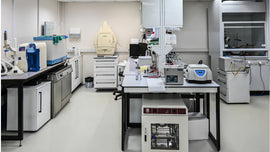
- Laboratory and industrial workers operating in temperature-controlled but poorly ventilated spaces
- Outdoor workers such as logistics staff and grounds maintenance teams
- Disability support workers assisting clients with mobility or medical needs
Vulnerable populations, including older adults, patients with chronic conditions, and those taking certain medications, are also more susceptible to heat-related illness even at moderate temperatures.
Signs and Symptoms of Heat-Related Illness
Recognising early warning signs is essential for preventing serious outcomes.
Common symptoms of heat exhaustion include:
- Dizziness or fainting
- Excessive sweating or clammy skin
- Headache
- Nausea
- Fatigue and confusion
Heat stroke is a medical emergency and may present with:
- Hot, dry skin or reduced sweating
- Altered mental state or loss of consciousness
- Rapid pulse
- Seizures
Healthdirect Australia provides clinically reviewed information on heat-related illnesses and first aid responses, making it a valuable reference for workplaces supporting staff and patients in hot conditions.
Employer Responsibilities Under Australian WHS Laws
Australian employers have a legal duty of care to eliminate or minimise health risks so far as reasonably practicable. Heat stress is recognised as a foreseeable workplace hazard.
Responsibilities include:
- Identifying heat risks in work environments
- Assessing how tasks, PPE, and workloads contribute to heat exposure
- Implementing control measures such as ventilation, rest breaks, hydration access, and appropriate PPE
- Training staff to recognise symptoms and respond appropriately
- Ensuring first aid resources are available and fit for purpose
Failure to manage heat stress risks can lead to reduced productivity, higher incident rates, increased absenteeism, and potential regulatory action.
Practical Heat Stress Prevention Strategies
Effective heat management requires a layered approach that combines planning, equipment selection, and staff education.
Key prevention measures include:
Hydration and Break Management
Workers should have easy access to drinking water and be encouraged to hydrate regularly, not only when thirsty. Scheduled rest breaks in cool or shaded areas are essential during hot conditions.
PPE Selection and Comfort
Not all PPE performs the same in high-temperature environments. Lightweight, breathable gloves, gowns, and protective wear can significantly reduce heat retention while still maintaining safety standards. Selecting fit-for-purpose protective equipment is critical for healthcare, cleaning, and laboratory settings.

Environmental Controls
Improving airflow through fans, air conditioning, or natural ventilation can reduce ambient heat levels. Even small changes in airflow can have a measurable impact on comfort and safety.
Workload Adjustment
Where possible, physically demanding tasks should be rescheduled to cooler parts of the day. Job rotation can also help reduce prolonged heat exposure.
First Aid Preparedness for Heat-Related Incidents
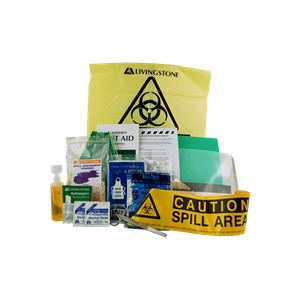
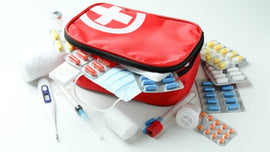
First aid readiness plays a vital role in heat stress management. Workplaces should ensure first aid kits are stocked and staff are trained to respond quickly.
Immediate actions for suspected heat exhaustion include:
- Moving the person to a cool, shaded area
- Loosening clothing and removing unnecessary PPE
- Providing water if the person is conscious
- Monitoring symptoms and escalating if they worsen
For suspected heat stroke, emergency medical assistance must be sought immediately.
Building a Safer, More Resilient Workplace
Heat stress is a growing challenge that intersects with workplace safety, patient care, and employee wellbeing. By understanding risks, meeting legal obligations, and investing in appropriate safety, hygiene, and first aid solutions, organisations can significantly reduce the impact of extreme temperatures.
For healthcare providers, aged care facilities, laboratories, and workplaces across Australia, proactive heat stress management is not just about compliance. It is about protecting people, maintaining operational continuity, and fostering a culture of safety and care.
References (Harvard Style)
- Safe Work Australia (2023) Heat and work. Available at: https://www.safeworkaustralia.gov.au (Accessed: 18 January 2026).
- Healthdirect Australia (2024) Heat exhaustion and heat stroke. Available at: https://www.healthdirect.gov.au (Accessed: 18 January 2026).


