























































The hospitality industry is one of Australia’s largest and most physically demanding sectors, encompassing restaurants, cafés, hotels, catering services, event venues and accommodation facilities. While the focus is often on customer experience and operational efficiency, hospitality environments also present a wide range of workplace injury risks that can affect staff wellbeing, productivity and business continuity.

Unlike many industries, hospitality work extends well beyond the kitchen. Injuries commonly occur in housekeeping, laundry services, food preparation areas, bars, storage rooms and public-facing spaces. Understanding how and why these injuries happen is the first step in preventing them.
Why Hospitality Workers Are at Higher Risk
Hospitality workplaces are fast-paced, unpredictable and often understaffed during peak periods. Employees may work long shifts, handle heavy or awkward loads and move quickly between tasks in environments where hazards change constantly. Wet floors, hot equipment, sharp tools and time pressure combine to create conditions where even experienced workers can be injured.
Fatigue also plays a significant role. Shift work, late nights and early starts can reduce concentration and reaction time, increasing the likelihood of mistakes and accidents.
Burns and Scalds in Hospitality Settings
Burns are among the most common injuries in hospitality, particularly in commercial kitchens but also in staff kitchens, tea rooms and laundry areas. Hot surfaces, boiling liquids, steam and oil splashes pose ongoing risks, especially during busy service periods.
Burn injuries frequently occur when staff rush tasks, carry hot items through crowded spaces or handle equipment without adequate protection. Even minor burns can be painful and disruptive, while more serious burns may require medical treatment and time away from work.
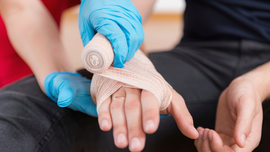
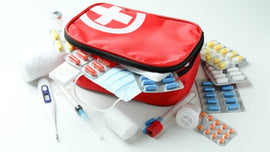
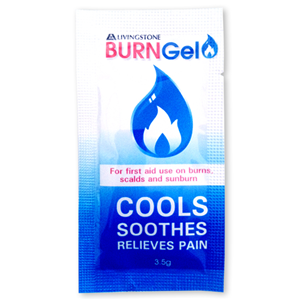
Immediate first aid is critical. Cooling the burn under running water and covering it with an appropriate dressing can significantly reduce tissue damage and recovery time.
Cuts and Lacerations Across Hospitality Roles
Cuts and lacerations are not limited to chefs and kitchen hands. Housekeeping staff, bar staff and cleaners are also at risk due to broken glassware, sharp packaging, damaged fixtures and cleaning equipment.
Knife-related injuries often occur due to improper cutting techniques, blunt blades requiring extra force or distractions during food preparation. In non-kitchen environments, injuries may result from handling rubbish, broken bottles or sharp edges on furniture and fittings.
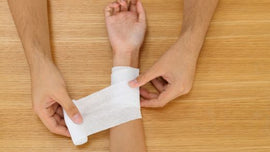
Prompt cleaning and covering of cuts is essential, particularly in food handling environments where infection risks and food safety concerns are higher.
Slips, Trips and Falls in High-Traffic Areas
Slips, trips and falls are a leading cause of serious injury across the hospitality sector. Kitchens, bars, bathrooms, laundries and guest rooms are particularly high-risk due to wet surfaces, spills and cluttered walkways.
Housekeeping staff face additional risks when cleaning rooms after checkout or changing bed linen. Tasks often involve awkward postures, reaching, bending and moving quickly between rooms, increasing the chance of losing balance or tripping over obstacles.
Maintaining clean, dry floors and clear walkways plays a critical role in reducing these incidents.
Manual Handling and Musculoskeletal Injuries
Many hospitality injuries develop gradually rather than occurring as sudden accidents. Repetitive movements, heavy lifting and poor posture contribute to musculoskeletal disorders affecting the back, shoulders, wrists and knees.
Tasks such as lifting mattresses, moving furniture, pushing laundry trolleys or unloading deliveries place significant strain on the body. Without proper training, equipment and rest, these injuries can become chronic and lead to long-term discomfort or lost work capacity.
Fast-Paced Environments and Injury Risk
Peak service periods increase injury risk across hospitality workplaces. When speed becomes the priority, safety steps may be skipped, protective equipment ignored and communication reduced. Crowded kitchens and service areas further heighten the risk of collisions, spills and burns.
Encouraging staff to prioritise safe practices, even during busy periods, is essential for reducing preventable injuries.
Preventing Workplace Injuries in Hospitality
Effective injury prevention relies on consistent safety practices, proper training and a supportive workplace culture. Staff should be trained to recognise hazards, use equipment correctly and follow safe manual handling techniques.

Unlike many industries, hospitality work extends well beyond the kitchen. Injuries commonly occur in housekeeping, laundry services, food preparation areas, bars, storage rooms and public-facing spaces. Understanding how and why these injuries happen is the first step in preventing them.
Why Hospitality Workers Are at Higher Risk
Hospitality workplaces are fast-paced, unpredictable and often understaffed during peak periods. Employees may work long shifts, handle heavy or awkward loads and move quickly between tasks in environments where hazards change constantly. Wet floors, hot equipment, sharp tools and time pressure combine to create conditions where even experienced workers can be injured.
Fatigue also plays a significant role. Shift work, late nights and early starts can reduce concentration and reaction time, increasing the likelihood of mistakes and accidents.
Burns and Scalds in Hospitality Settings
Burns are among the most common injuries in hospitality, particularly in commercial kitchens but also in staff kitchens, tea rooms and laundry areas. Hot surfaces, boiling liquids, steam and oil splashes pose ongoing risks, especially during busy service periods.
Burn injuries frequently occur when staff rush tasks, carry hot items through crowded spaces or handle equipment without adequate protection. Even minor burns can be painful and disruptive, while more serious burns may require medical treatment and time away from work.
Immediate first aid is critical. Cooling the burn under running water and covering it with an appropriate dressing can significantly reduce tissue damage and recovery time.
Cuts and Lacerations Across Hospitality Roles
Cuts and lacerations are not limited to chefs and kitchen hands. Housekeeping staff, bar staff and cleaners are also at risk due to broken glassware, sharp packaging, damaged fixtures and cleaning equipment.
Knife-related injuries often occur due to improper cutting techniques, blunt blades requiring extra force or distractions during food preparation. In non-kitchen environments, injuries may result from handling rubbish, broken bottles or sharp edges on furniture and fittings.
Prompt cleaning and covering of cuts is essential, particularly in food handling environments where infection risks and food safety concerns are higher.
Slips, Trips and Falls in High-Traffic Areas
Slips, trips and falls are a leading cause of serious injury across the hospitality sector. Kitchens, bars, bathrooms, laundries and guest rooms are particularly high-risk due to wet surfaces, spills and cluttered walkways.
Housekeeping staff face additional risks when cleaning rooms after checkout or changing bed linen. Tasks often involve awkward postures, reaching, bending and moving quickly between rooms, increasing the chance of losing balance or tripping over obstacles.
Maintaining clean, dry floors and clear walkways plays a critical role in reducing these incidents.
Manual Handling and Musculoskeletal Injuries
Many hospitality injuries develop gradually rather than occurring as sudden accidents. Repetitive movements, heavy lifting and poor posture contribute to musculoskeletal disorders affecting the back, shoulders, wrists and knees.
Tasks such as lifting mattresses, moving furniture, pushing laundry trolleys or unloading deliveries place significant strain on the body. Without proper training, equipment and rest, these injuries can become chronic and lead to long-term discomfort or lost work capacity.
Fast-Paced Environments and Injury Risk
Peak service periods increase injury risk across hospitality workplaces. When speed becomes the priority, safety steps may be skipped, protective equipment ignored and communication reduced. Crowded kitchens and service areas further heighten the risk of collisions, spills and burns.
Encouraging staff to prioritise safe practices, even during busy periods, is essential for reducing preventable injuries.
Preventing Workplace Injuries in Hospitality
Effective injury prevention relies on consistent safety practices, proper training and a supportive workplace culture. Staff should be trained to recognise hazards, use equipment correctly and follow safe manual handling techniques.
significantly reduce injury severity and frequency.
Building a Safer Hospitality Workplace
Creating a strong safety culture benefits both employees and businesses. Workers who feel supported are more likely to report hazards early, follow procedures and remain engaged in their roles.
Australian hospitality businesses can access practical safety guidance through Safe Work Australia, which provides national workplace health and safety information.
Workplace injuries in the hospitality industry are common but not unavoidable. By understanding where risks exist, responding effectively to incidents and prioritising preventative measures, hospitality businesses can protect their workforce while maintaining high service standards.
A proactive approach to safety supports healthier staff, smoother operations and a more sustainable hospitality environment for everyone involved.
References
- Safe Work Australia (2023) Work health and safety in the hospitality industry. Australian Government. Available at: https://www.safeworkaustralia.gov.au (Accessed: 2 February 2026).
- SafeWork NSW (2024) Hospitality safety: slips, trips, manual handling and kitchen hazards. NSW Government. Available at: https://www.safework.nsw.gov.au (Accessed: 2 February 2026).
- Australian Institute of Health and Welfare (AIHW) (2023) Work-related injuries and illnesses in Australia. Australian Government. Available at: https://www.aihw.gov.au (Accessed: 2 February 2026).
- Comcare (2022) Manual handling and musculoskeletal disorder prevention. Australian Government. Available at: https://www.comcare.gov.au (Accessed: 2 February 2026).


