













































































Caring for a pet at home involves consistent observation, preventative planning, and informed decision making. Animals cannot verbalise discomfort, so early signs of illness are often subtle. Developing a structured approach to monitoring your pet’s health allows concerns to be addressed before they progress into serious medical conditions. Preventative care, seasonal awareness, and timely veterinary support together form the foundation of responsible pet ownership.
Recognising Early Signs of Illness
Early detection begins with understanding what is normal for your pet. Changes in appetite, water consumption, or weight are often among the first indicators that something may be wrong. A reduced appetite, increased thirst, frequent urination, or unexplained weight loss can signal metabolic disorders, dental disease, gastrointestinal issues, or organ dysfunction.
Behavioural changes are equally significant. Lethargy, withdrawal, increased vocalisation, irritability, or restlessness may indicate pain, anxiety, infection, or systemic illness. Even subtle shifts in sleeping patterns or interaction levels should be noted.

Physical signs provide further insight into overall health. The condition of the skin and coat often reflects internal wellbeing. Persistent scratching, redness, hair loss, flaky skin, or a dull coat may suggest allergies, parasites, or nutritional deficiencies. Gastrointestinal disturbances such as vomiting, diarrhoea, constipation, or bloating require close monitoring. While occasional mild upset may resolve independently, ongoing or severe symptoms warrant professional assessment. Respiratory signs including coughing, wheezing, nasal discharge, or laboured breathing should never be ignored.
Seasonal Health Risks to Monitor
Environmental changes throughout the year can significantly influence pet health. During hotter periods, heat related illness is a primary concern. Excessive panting, drooling, vomiting, weakness, or collapse may indicate heat stress and require urgent cooling and veterinary care. Hot pavement can also cause paw pad burns, while increased outdoor exposure raises the risk of ticks, fleas, and snake encounters.
In cooler months, joint stiffness and arthritis may become more noticeable, particularly in senior pets. Reluctance to jump, slower movement, or difficulty rising are common indicators of discomfort. Seasonal pollen and grass growth can trigger allergic reactions, leading to inflamed ears, itchy skin, and recurrent infections. Periods of heavy rainfall may increase moisture related skin conditions and fungal infections around paw pads.
Adapting care routines according to seasonal risks supports proactive management and reduces preventable complications.
Managing Minor Conditions at Home
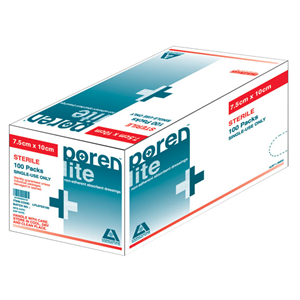
Attentive home care can safely address certain minor conditions when symptoms are mild and closely monitored. Small cuts or abrasions should be gently cleaned with sterile saline and observed for swelling, discharge, or delayed healing. Preventing licking reduces infection risk and supports recovery.

Mild gastrointestinal upset in otherwise healthy adult pets may improve with temporary dietary modification. Offering small amounts of water and gradually introducing bland food can stabilise digestion. However, symptoms persisting beyond 24 hours require veterinary advice.
Routine dental hygiene plays a critical role in preventing periodontal disease. Brushing with pet specific toothpaste and monitoring for gum redness, bad breath, or difficulty chewing can prevent long term complications. Regular ear inspections and cleaning with veterinarian recommended solutions also reduce infection risk, particularly in breeds predisposed to ear issues or pets that swim frequently.
Preventative parasite control remains essential year round. Consistent flea, tick, and worming programs should follow veterinary guidance.
Guidance on preventative care standards and responsible ownership practices is available through RSPCA Australia and the Australian Veterinary Association, both of which provide comprehensive pet health resources.
When Veterinary Intervention Is Required
While minor issues can sometimes be managed conservatively, certain symptoms demand immediate veterinary attention. Difficulty breathing, seizures, collapse, severe bleeding, toxin ingestion, abdominal distension, inability to urinate, or signs of intense pain constitute medical emergencies.
Veterinary assessment is also recommended if symptoms persist beyond 24 to 48 hours, if there is unexplained weight loss, or if behavioural changes are significant and sustained. Early diagnosis often results in simpler treatment and improved outcomes.
Essential Health Checks and Preventative Records
Structured monitoring extends beyond observing symptoms. Maintaining up to date health records supports long term wellbeing and early disease detection. Vaccination schedules should be reviewed regularly to ensure protection against core diseases. Parasite prevention treatments must be administered consistently and documented.
Annual or biannual veterinary examinations provide an opportunity for early identification of emerging health concerns. For senior pets, routine blood screening can assess kidney and liver function, thyroid balance, and glucose levels. Dental evaluations are equally important, as untreated oral disease can contribute to systemic complications.
Monitoring weight and body condition scoring at home provides measurable insight into nutritional balance and metabolic health. Ensuring microchip and registration details remain current is also part of responsible ownership.
Building a Proactive Home Care Routine
Effective pet care at home is built on daily visual assessments, regular grooming checks, seasonal awareness, and scheduled preventative treatments. Familiarity with your pet’s normal behaviour and physical condition allows early deviations to be identified quickly.
By combining attentive home monitoring with timely veterinary support, pet owners create a safer and more supportive environment. Proactive care not only enhances quality of life but also strengthens the bond between pets and those responsible for their wellbeing.
References
- Australian Veterinary Association 2024, Pet health and vaccination guidelines, Australian Veterinary Association, viewed 11 February 2026, https://www.ava.com.au
- RSPCA Australia 2024, Pet care information and animal health resources, RSPCA Australia, viewed 11 February 2026, https://www.rspca.org.au


