



































































A well equipped school sick bay is essential to maintaining student wellbeing, meeting duty of care obligations, and ensuring regulatory compliance across Australian primary and secondary schools. From playground injuries to illness management and chronic condition support, the sick bay functions as the frontline health response area within the school environment. For school first aid staff and teachers, understanding how to design, equip, and maintain this space is critical to risk management, cost control, and operational continuity.
Safe Work Australia advises that first aid facilities must reflect the size of the workplace, the number of occupants, and the nature of risks present (Safe Work Australia 2023). In schools, risks extend beyond classrooms to playgrounds, sports fields, laboratories, and workshops. A structured and evidence-based approach to sick bay management supports safer learning environments and reduces preventable incidents.
Essential Equipment and Supplies for a School Sick Bay
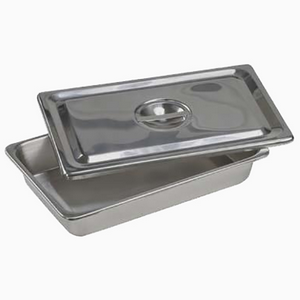
The physical setup of a school sick bay should prioritise hygiene, accessibility, and privacy. A designated room with appropriate ventilation, a washable examination couch with a disposable paper roll, handwashing facilities or alcohol based hand rub, and secure medication storage are foundational requirements. Clear access to a telephone and visible signage are equally important for emergency readiness.
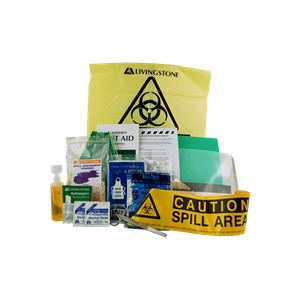
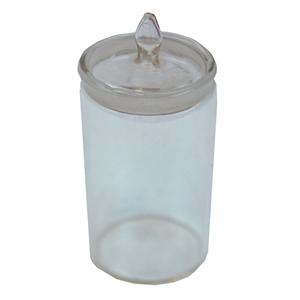
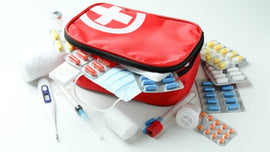
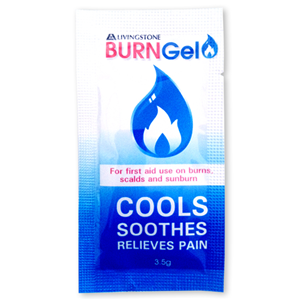
Stocking appropriate first aid supplies is central to compliance and effective care. Wound management items are particularly important due to the high frequency of cuts and abrasions in school settings. Core supplies should include:

Emergency response items should align with school policies and known student health conditions. Many schools maintain adrenaline auto injectors for anaphylaxis management and CPR barriers for resuscitation support. The Australian Resuscitation Council provides nationally recognised guidance for CPR and emergency response procedures that inform school protocols (Australian Resuscitation Council 2024).
For procurement managers, regular stock audits, expiry date checks, and clear replenishment schedules reduce compliance risk and avoid last minute purchasing pressures.
How to Manage Minor Injuries in the School Sick Bay
Minor injuries represent the majority of student presentations. Consistent clinical procedures help reduce infection risk and ensure safe return to learning activities.
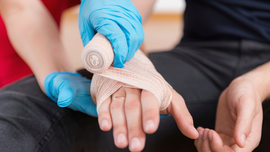
When treating minor cuts and grazes, hand hygiene is critical. The Australian Commission on Safety and Quality in Health Care identifies hand hygiene as the most effective strategy to prevent infection transmission (ACSQHC 2023). After washing hands and applying gloves, the wound should be irrigated with sterile saline, gently dried, and covered with a suitable dressing. All treatments should be documented in accordance with school policy, including parent or guardian notification where required.
Soft tissue injuries, such as sprains sustained during sport or playground activity, should be managed using the RICER approach:
- Rest the affected area
- Ice for up to 20 minutes
- Compression with an elastic bandage
- Elevation where possible
- Referral for medical assessment if symptoms persist
Following community sport safety principles from Sport Australia supports consistent and safe return to participation decisions (Sport Australia 2023).
Illness management is another common function of the school sick bay. Students presenting with fever, vomiting, or other symptoms of infection should be assessed calmly and monitored while awaiting collection. Schools must follow state health department exclusion guidelines to minimise transmission risk. NSW Health provides clear direction on exclusion periods for common childhood infectious diseases (NSW Health 2024). Providing a quiet, supervised rest area supports student comfort and reduces classroom disruption.
Preventive Health and Safety Measures in Schools
A proactive approach to school health reduces demand on sick bay resources and strengthens overall safety culture.
Effective infection prevention strategies include:
- Routine hand hygiene education for students and staff
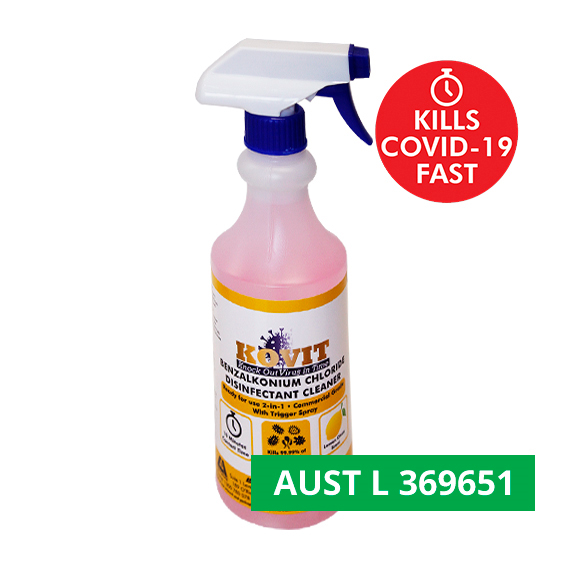
- Regular cleaning of high touch surfaces
- Safe disposal of clinical waste
- Clear communication of illness exclusion policies
The Department of Health and Aged Care emphasises that strong hygiene practices significantly reduce the spread of respiratory and gastrointestinal illness in community environments such as schools (Department of Health and Aged Care 2023).

Beyond infection control, schools should conduct regular risk assessments of playground equipment, sports facilities, science laboratories, and classroom furniture. Procurement managers play an important role in ensuring equipment meets safety standards and is replaced when worn or damaged.
Staff training is equally critical. Designated personnel should maintain accredited first aid qualifications and complete specific asthma and anaphylaxis training where required. Regular drills and equipment checks ensure that emergency procedures can be implemented confidently and without delay.
Accurate documentation underpins compliance and quality improvement. Incident reports should record the date and time of presentation, the nature of injury or illness, treatment provided, communication with parents, and any follow up actions. Strong record keeping supports governance and demonstrates alignment with regulatory expectations.
A well planned and properly resourced school sick bay is more than a reactive space. It is an operational safeguard that protects students, supports staff, and strengthens community trust. Through evidence based procurement, clear injury management protocols, and preventive safety strategies, schools can maintain compliant and resilient health support systems that prioritise student wellbeing and learning continuity.
References
- Australian Commission on Safety and Quality in Health Care 2023, Hand hygiene, ACSQHC, Sydney, viewed 17 February 2026, https://www.safetyandquality.gov.au
- Australian Resuscitation Council 2024, Guidelines for CPR and emergency response, ARC, Australia, viewed 17 February 2026, https://resus.org.au
- Department of Health and Aged Care 2023, Infection prevention and control guidelines, Australian Government, Canberra, viewed 17 February 2026, https://www.health.gov.au
- NSW Health 2024, Infectious diseases factsheets and exclusion periods, NSW Government, viewed 17 February 2026, https://www.health.nsw.gov.au
- Safe Work Australia 2023, First aid in the workplace Code of Practice, Australian Government, Canberra, viewed 17 February 2026, https://www.safeworkaustralia.gov.au
- Sport Australia 2023, Community sport safety resources, Australian Government, viewed 17 February 2026, https://www.sportaus.gov.au


