































































As we into autumn, respiratory illness activity begins to increase across the country. Cooler mornings, fluctuating temperatures, and greater time spent indoors create ideal conditions for viruses such as influenza, RSV, and the common cold to spread. While winter is often seen as peak flu season, preparation should begin much earlier.
For workplaces, healthcare facilities, schools, laboratories, hospitality venues, and community settings, March is the critical planning window. Early action reduces disruption, protects vulnerable individuals, and supports compliance with health and safety responsibilities.
Livingstone International partners with organisations across Australia to strengthen infection control strategies before seasonal illness escalates. Understanding how and when to act is essential for reducing risk.
Flu Season Timing in Australia
In Australia, influenza activity typically increases during late autumn and peaks between June and September. However, influenza viruses circulate year round, with seasonal surges influenced by temperature patterns, indoor congregation, and population mobility.

According to the Australian Government Department of Health and Aged Care, influenza notifications can begin rising well before winter officially commences. Early seasonal monitoring allows communities and organisations to anticipate trends and implement preventative strategies in advance.
Autumn conditions contribute to viral persistence. Cooler air and lower humidity may support respiratory droplet stability, while increased indoor contact heightens person to person exposure. Shared surfaces such as handrails, countertops, medical devices, school desks, and communal equipment can become transmission points if cleaning frequency is not adjusted seasonally.
Preparation during March and April provides a practical buffer before case numbers intensify.
Seasonal Transmission Risks Across Community Settings
Respiratory viruses spread primarily through droplets, contact with contaminated surfaces, and in some cases, airborne particles in enclosed spaces. These transmission pathways are relevant in healthcare facilities, aged care environments, childcare centres, public venues, laboratories, and homes.
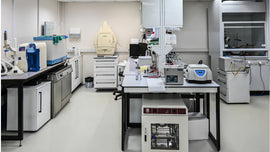
High density gatherings increase exposure likelihood. Educational settings experience close contact interactions. Hospitality environments involve continuous public flow. Healthcare and aged care facilities care for individuals with increased vulnerability to complications. Laboratories and clinical spaces require strict hygiene discipline to prevent cross-contamination.
Seasonal infection control is therefore not limited to one sector. It is a shared responsibility across the broader community.
Understanding these transmission dynamics allows for targeted prevention measures that align with setting specific risk profiles.
Core Infection Control Measures for Autumn
Effective seasonal infection control relies on layered prevention strategies. No single intervention provides complete protection, but combined measures significantly reduce risk.
Hand hygiene remains foundational. Regular hand washing with soap and water or the use of alcohol based hand sanitiser reduces viral transfer from surfaces to mucous membranes. Accessibility and visibility of hygiene stations encourage compliance across public and private environments.
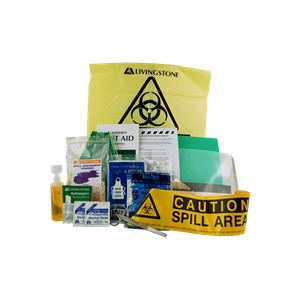
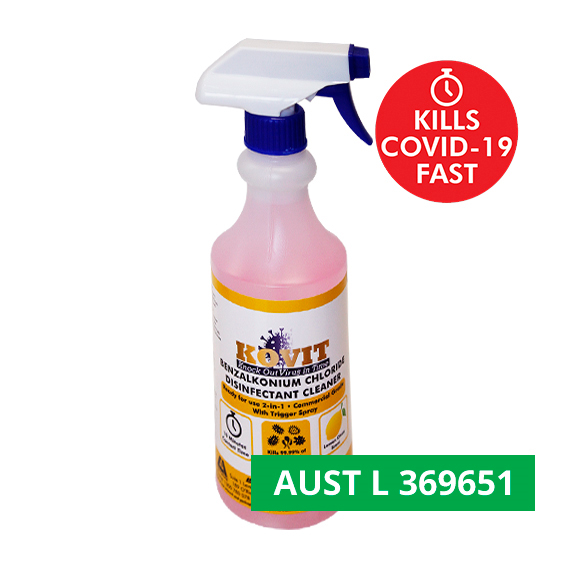
Routine surface disinfection is equally important. High touch areas require increased cleaning frequency during autumn. Hospital grade disinfectants appropriate to the environment should be selected based on efficacy against enveloped viruses.

Respiratory etiquette education supports community protection. Encouraging individuals to cover coughs and sneezes, dispose of tissues immediately, and avoid close contact when symptomatic reduces droplet transmission.
Ventilation is another critical factor. Increasing natural airflow or maintaining mechanical ventilation systems reduces concentration of airborne particles indoors. Safe Work Australia provides guidance on managing biological hazards and indoor air quality considerations.
Together, these measures create a comprehensive prevention framework suitable for diverse environments.
Protecting Vulnerable Populations During Respiratory Season
Certain groups face increased risk of severe complications from influenza and respiratory infections. Older adults, young children, pregnant individuals, and those with chronic medical conditions require additional protection during seasonal surges.
In aged care and healthcare settings, strict adherence to standard precautions reduces outbreak risk. In schools and childcare centres, reinforcing hygiene education supports early habit formation. Within households, isolating symptomatic family members and increasing cleaning frequency can reduce intra-household transmission.
Vaccination also remains a key component of seasonal protection. Public health authorities provide annual influenza vaccination guidance based on circulating strains and risk groups. Combining vaccination with hygiene measures strengthens overall community defence.
Seasonal awareness campaigns during autumn encourage early behavioural adjustments before case numbers peak.
Strengthening Community Resilience Before Winter
Autumn represents a strategic preparation period rather than a passive seasonal transition. By reviewing hygiene practices, reinforcing respiratory etiquette, auditing stock levels, and monitoring public health data, communities can reduce the impact of cold and flu season.
Infection control extends beyond clinical environments. It is relevant across healthcare, education, hospitality, laboratories, public venues, and households alike. Early, consistent action protects individuals, supports continuity of services, and promotes shared responsibility for public health.
Livingstone International remains committed to supporting Australian communities with trusted infection control solutions, national distribution capability, and decades of industry expertise.
Preparation in autumn builds resilience for the months ahead.
References
- Australian Government Department of Health and Aged Care 2024, Australian Influenza Surveillance Report, Australian Government, Canberra, viewed 24 February 2026, https://www.health.gov.au.
- Safe Work Australia 2023, Managing the Work Environment and Facilities Code of Practice, Safe Work Australia, Canberra, viewed 24 February 2026, https://www.safeworkaustralia.gov.au.


