










































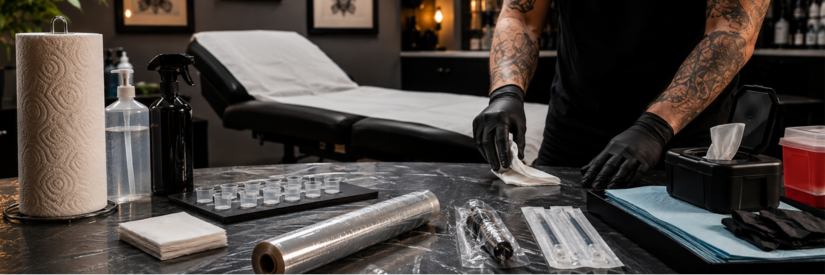
Tattooing is both an art form and a professional skin penetration service. Behind every finished design is a controlled environment where hygiene, preparation and safe work practices matter. For tattoo studios, well-managed appointments rely on more than creative skill. They depend on clean workstations, appropriate PPE, surface protection, single-use supplies and responsible waste control.
Because tattooing involves penetrating the skin, infection prevention is essential for protecting clients, artists and studio teams. NSW Health advises that body art and tattooing businesses need infection control practices in place to help prevent infections spreading from one person to another. A well-prepared studio can help minimise contamination risks, support smoother workflows and build client confidence.
Why does hygiene matter in tattoo studios?
Tattoo procedures can involve exposure to blood, broken skin and contaminated surfaces. This means hygiene routines need to be consistent, not occasional. Hand hygiene, surface cleaning, equipment preparation, single-use supplies and waste disposal all work together to create a well-prepared tattoo studio environment.
Good hygiene also supports professionalism. Clients may not see every preparation step, but they notice when a studio looks clean, organised and ready. A clear hygiene routine helps create trust before the appointment begins.
What should be prepared before each tattoo appointment?
A professional tattoo setup starts before the client sits down. Workstations should be cleaned, organised and prepared with the supplies needed for the session. Frequently touched surfaces, such as chairs, trays, bottles, cords and benches, should be protected or cleaned using products suitable for the setting.
Products such as Liv-Wrap barrier film can help protect common touchpoints, while LivEco draw sheets or bed sheets can support cleaner treatment areas and easier changeover between clients. Keeping Liv Paper Towel nearby can also help with drying, wiping and general preparation tasks.

How can surface cleaning support professional setups?
Surface protection is not a replacement for cleaning. Before and after appointments, suitable cleaning products help maintain a cleaner studio environment and reduce contamination risks.
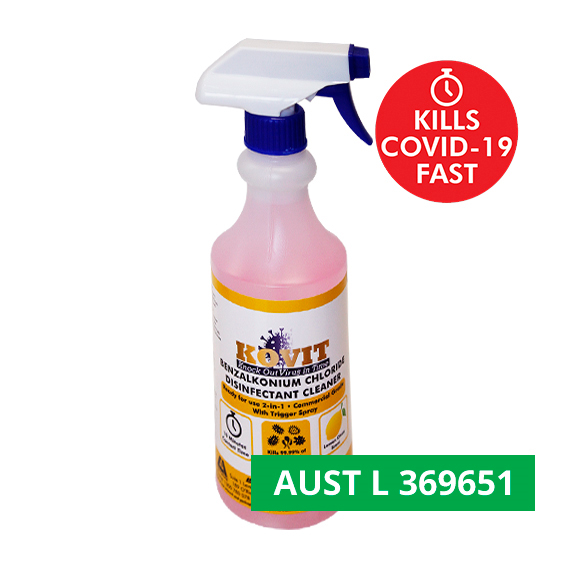
Liv-Wipe Hospital Disinfectant Wipes can support convenient surface disinfection, while Livingstone Spray N Wipe Antibacterial can be used as part of routine cleaning processes where appropriate. For reusable cleaning tasks, SoFeel microfibre heavy duty cleaning wipes can help support organised cleaning routines.
How do single-use supplies reduce cross-contamination?
Single-use supplies help minimise the movement of germs, fluids and residue between clients, surfaces and equipment. In tattoo studios, this may include disposable gloves, razors, applicators, ink cups, wipes, dressings, wraps and other consumables used during preparation, procedure or aftercare.
For skin preparation, Liv Disposable Shaving Razors can support single-client use before tattooing, while Liv-Wipe Skin Prep Wipes can help prepare the skin as part of a professional setup. During the procedure, SoFeel ink cups with foot base can help keep ink portions organised for each appointment.
What PPE should tattoo professionals consider?
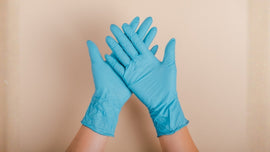
Personal protective equipment should be matched to the task and level of risk. Disposable gloves are commonly used during tattoo preparation, procedures, cleaning and waste handling. Aprons, masks, gowns and protective eyewear may also be suitable where there is potential exposure to splashes, sprays or close-contact procedures.
The Australian Commission on Safety and Quality in Health Care notes that infection prevention and control measures help reduce the risk of infection transmission between people, providers and others in care environments. While tattoo studios are not the same as clinical settings, the same principle applies: suitable precautions help protect both the professional and the client.
Liv Xtreme heavy duty nitrile gloves can support hand protection during higher-contact tasks, while the Liv heavy duty PVC apron can help protect clothing during tattooing, cleaning or preparation tasks.
How should waste and aftercare be managed?
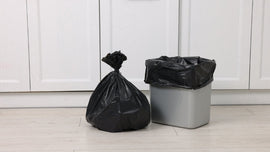
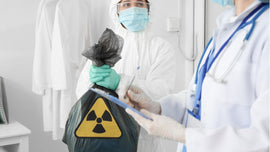
Cleaning and waste control are essential parts of a well-managed tattoo studio. Used tissues, gloves, wipes, barriers, dressings and other disposable items should be removed from the work area promptly. Sharps and clinical waste must be handled according to relevant state, territory and local requirements.
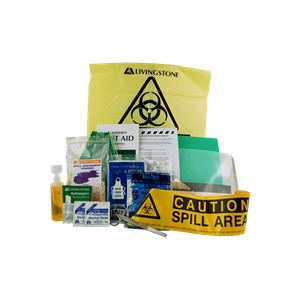
Liv needles sharps waste collectors can support sharps disposal, while Livingstone yellow waste bags can help manage appropriate waste streams where required.
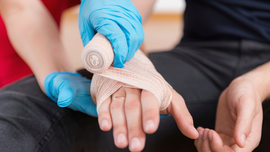
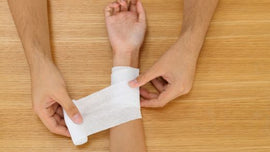
Aftercare is also part of the client experience. Products such as Fix-A-Clear transparent adhesive dressing can support post-procedure dressing needs where suitable. Having aftercare supplies organised and easy to access helps artists complete appointments smoothly and professionally.

Supporting well-prepared tattoo studio environments
Professional tattoo studios are built through consistent routines. Workstation preparation, single-use supplies, PPE, surface protection, cleaning, waste control and aftercare readiness each play a role in reducing infection risks and supporting professional care.
Livingstone offers hygiene, PPE, cleaning, disposable, medical and waste management supplies that can help tattoo professionals stay stocked, organised and ready for daily appointments. By keeping essential products accessible and processes consistent, studios can create more organised, professional and confident experiences for clients and artists alike.
References
Australian Commission on Safety and Quality in Health Care 2026, Infection prevention and control, viewed June 2026, https://www.safetyandquality.gov.au/clinical-topics/infection-prevention-and-control
NSW Health 2025, Body art and tattooing businesses, viewed June 2026, https://www.health.nsw.gov.au/environment/factsheets/Pages/tattooing.aspx


