






























































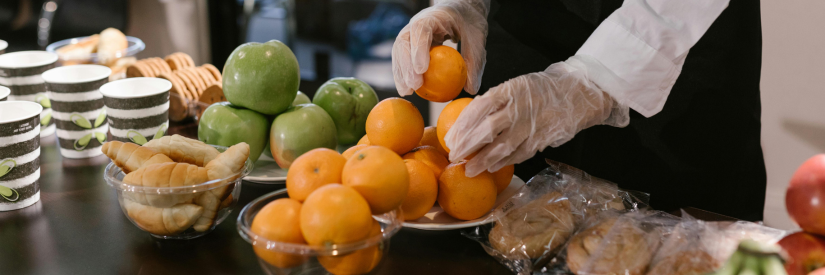
Food safety is built through the everyday systems, checks and supplies that help prevent risks before they reach the plate. In aged care kitchens, healthcare facilities, childcare centres, schools, hospitality venues and commercial food operations, small gaps in hygiene, storage or handling can increase contamination risk.
For World Food Safety Day, Livingstone Knowledge Hub explores how HACCP food safety principles support safer, smarter and more sustainable food handling. It also highlights why choosing HACCP-grade products can help organisations maintain high standards across daily food preparation, cleaning and service environments.
Livingstone’s HACCP range includes food safety supplies designed to support hygiene, contamination control and consistent daily operations. From gloves and protective wear to cleaning, packaging and waste management products, fit-for-purpose consumables can help food handling teams work with greater confidence.
What is HACCP in food safety?
HACCP stands for Hazard Analysis and Critical Control Points. It is a prevention-based food safety system that helps identify hazards, assess where risks may occur and apply controls before food becomes unsafe.
In simple terms, HACCP asks: what could go wrong, where could it happen, and how can it be prevented or controlled?
This makes HACCP a high-standard approach because it focuses on prevention, consistency and accountability. Rather than reacting after an issue occurs, HACCP encourages food handlers to manage risk across receiving, storing, preparing, cooking, serving and transporting food.

Why are HACCP standards important for product quality?
HACCP is widely recognised across food service, catering and food production because it places strong emphasis on risk control. When a product is HACCP-grade or suitable for HACCP environments, it can indicate that the product has been developed with food safety, quality and fitness for purpose in mind.
HACCP Australia notes that its certification mark applies to non-food products and services designed for food industry use, identifying fitness for purpose within HACCP-governed operations. For food handling teams, this makes product selection part of the food safety system, not just a purchasing decision.
Where are HACCP-based practices most important?
HACCP food safety principles are relevant anywhere food is prepared, stored, transported or served. They are especially important in high-care environments, including aged care kitchens, hospitals, childcare centres, schools, hospitality venues, catering businesses, commercial kitchens and food production areas.
Food Standards Australia New Zealand explains that Standard 3.2.2A applies to Australian food service, catering and retail businesses that handle unpackaged, potentially hazardous ready-to-eat food. Management tools may include a food safety supervisor, food handler training and evidence of critical food safety controls.
What HACCP-grade products support safer food handling?
Food safety depends on training, procedures, hygiene practices and suitable supplies. Livingstone’s HACCP range can help support these daily controls across food handling areas.

HACCP-grade gloves and protective wear
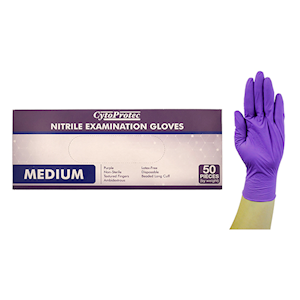
Gloves and protective wear help create hygiene barriers between people, clothing and food preparation areas. Sofeel HACCP Low-Powder Vinyl Gloves can support food handling tasks by providing a HACCP-grade disposable glove option for environments where hygiene and contamination control are important.
Hair restraints also play an important role in food safety. The Livingstone Disposable Crimp Cap can help reduce the risk of hair entering food preparation areas, making it suitable for commercial kitchens, aged care food service, hospitality and other food handling settings.
Hand hygiene and cleaning supplies
Hand hygiene is one of the most important ways to reduce cross-contamination. The Livingstone Antibacterial Liquid Hand Soap can support regular hand washing in food handling environments, helping staff maintain hygiene before, during and after food preparation.
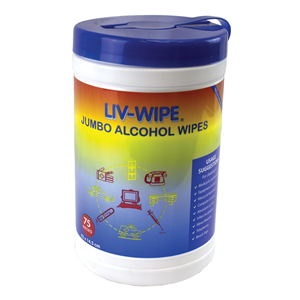
Cleaning supplies also help keep food preparation areas safer and more consistent. The Sofeel HACCP Microfibre Heavy Duty Cleaning Wipes can support routine cleaning by providing a HACCP-grade wipe option for surfaces, equipment and high-touch areas.
Temperature monitoring products
Temperature control is a critical part of HACCP food safety. Food businesses that handle potentially hazardous food need an accurate and accessible thermometer, with accuracy within 1°C. The Hygiplas Probe Thermometer can assist with checking cooking, cooling, storage and holding temperatures, helping teams monitor critical control points more consistently.
Food packaging, storage and waste management
Food-safe packaging and storage products help protect prepared food during storage, transport and service. The Livingstone Rectangular Container Base and Livingstone Clear Container Lid can support portioning, storage and transport by helping keep food covered and organised.
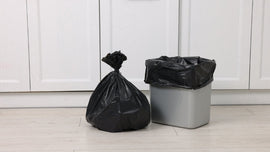
Waste management is also part of a clean food handling environment. Livingstone 120L Garbage Bags can support general waste collection, while Livingstone 240L Bio Bin Liners may assist facilities looking to align waste management with more responsible procurement choices.
How can HACCP support more sustainable food handling?
Sustainability should never compromise food safety. Instead, smarter food handling focuses on choosing suitable products, using them correctly and minimising unnecessary waste.
HACCP-based practices can support more responsible operations by reducing contamination events, improving temperature control, strengthening stock rotation and helping teams choose fit-for-purpose supplies. Accurate temperature checks can help minimise spoilage, clear labelling can support first-in, first-out stock rotation, and suitable packaging can help protect prepared food during storage and transport.
Livingstone’s HACCP and eco-conscious ranges can work together where appropriate, helping organisations review packaging, waste management and consumable choices while maintaining required food safety standards.
Building safer food handling environments with Livingstone
Food safety starts with prevention. HACCP principles help food handling teams identify hazards, control risks and maintain consistent standards across daily operations.
By choosing HACCP-grade products, organisations can strengthen hygiene practices, support compliance-focused processes and demonstrate a commitment to product quality. With the right combination of training, procedures and reliable supplies, food service teams can support safer meals, cleaner workspaces and more sustainable operations.
Explore Livingstone’s HACCP range to support safer and smarter food handling across your workplace.
References
Food Standards Australia New Zealand 2025, Standard 3.2.2A Food Safety Management Tools, Food Standards Australia New Zealand, viewed May 2026, https://www.foodstandards.gov.au/business/food-safety/overview-food-safety-management-tools.
Food Standards Australia New Zealand 2025, Thermometers, Food Standards Australia New Zealand, viewed May 2026, https://www.foodstandards.gov.au/business/food-safety/thermometers.
HACCP Australia 2025, HACCP Australia Services, HACCP Australia, viewed May 2026, https://haccp.com.au/.


