





































































World Patient Safety Day on 17 September is a timely reminder of the importance of safer care across every stage of the patient journey. In 2026, the theme is safe care for noncommunicable diseases, with the theme Safe care for life!
Noncommunicable diseases, such as cardiovascular disease, cancer, diabetes and chronic respiratory conditions, often require ongoing care across multiple settings. For patients, this may mean moving through admission, assessment, monitoring, procedures, recovery, discharge and ongoing care. Each touchpoint depends on clear processes, prepared teams and reliable access to the right supplies.
For healthcare providers and care teams, patient safety is not supported by one product or one action alone. It is built through consistency across the full patient journey.
Why does patient safety matter across the full care journey?
People living with ongoing health needs may interact with hospitals, GP clinics, aged care providers, NDIS support teams, home care services, dental clinics, allied health practices and community care settings. Some may also receive support in workplace first aid rooms, beauty or tattoo environments where safe procedures, hygiene and response readiness matter.
The World Health Organization notes that people living with noncommunicable diseases often require continuous care across multiple settings and over long periods, creating several points where safety risks can arise. This makes consistency important at every stage, from first assessment to long-term support.
What does safe care look like at each touchpoint?
Admission and assessment
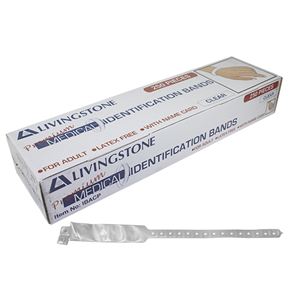
The first stage of care often involves patient identification, initial observations, documentation and infection prevention routines. Prepared areas may require protective wear, gloves, masks, aprons, hand hygiene supplies and basic diagnostic tools.
For teams completing initial checks, diagnostic accessories, thermometers and blood pressure monitors can support organised assessment workflows.
Monitoring and routine observations
Ongoing care often involves repeated checks. This may include temperature, blood pressure, pulse, oxygen saturation, symptoms, comfort and changes in condition.
Having monitoring and testing equipment readily available can help care teams complete routine observations more consistently. In aged care, NDIS, home care and community settings, accessible medical monitoring and testing supplies can also support continuity between appointments, visits and daily care routines.
Pathology and specimen collection
For many ongoing health conditions, pathology and specimen collection may form part of diagnosis, monitoring or treatment review. Safe workflows depend on correct identification, appropriate collection supplies, clean handling and organised transfer.
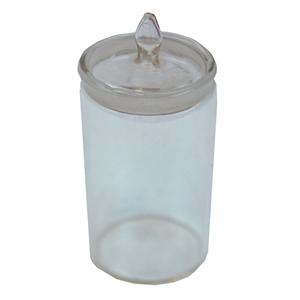
Pathology-related workflows may involve specimen containers, swabs, syringes and accessories, PPE, gloves and hygiene supplies. These items support the practical steps around collection, labelling, handling and preparation according to workplace procedures.
Procedures and clinical support
Some patients may need procedures, injections, wound care, skin preparation or clinical support as part of their care journey. Prepared procedural spaces depend on the right supplies being available before care begins.
Items such as gowns, aprons, gloves, syringes, dressings and hygiene products can help support safer, more organised clinical workflows. In dental, beauty and tattoo settings, procedure readiness also relies on hygiene, barrier protection, cleaning routines and clear response processes.
Recovery and wound care
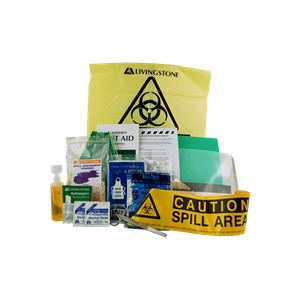
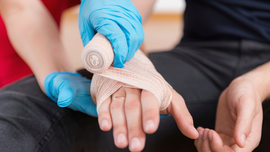
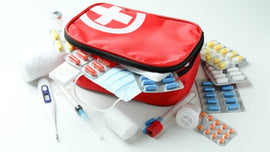
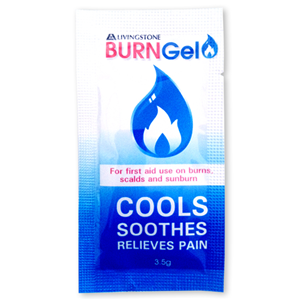
After a procedure, injury or treatment, recovery support may include wound protection, comfort, hygiene and ongoing observation. Wound care supplies, dressings, bandages, tapes and general first aid and safety supplies can help teams support recovery and follow-up care.
Clean environments also matter. Hand hygiene, disinfectant wipes, cleaning supplies and broader cleaning and hygiene products can support routine reset between patients, clients or care tasks.
Discharge and ongoing care
Safe care does not end when a person leaves a hospital, clinic or treatment room. For people living with noncommunicable diseases, ongoing support may continue through aged care, NDIS, home care, community care, rehabilitation or family-supported routines.
At this stage, rehabilitation supplies, hygiene items, monitoring tools, wound care, first aid supplies and personal care products can help support continuity, comfort and daily care routines.

How do consistent supplies and processes support safer care?
Across the patient journey, safety depends on reducing avoidable gaps. Missing supplies, unclear storage, inconsistent cleaning routines or delayed observations can place extra pressure on teams.
Reliable access to PPE, diagnostic tools, pathology supplies, surgical consumables, wound care, hygiene products and recovery essentials helps teams follow processes more consistently. It also supports smoother handover between settings, from hospital to home care, clinic to community support, or treatment room to recovery.

Supporting safe care for life
World Patient Safety Day 2026 is a reminder that safe care for noncommunicable diseases depends on every touchpoint. Admission, assessment, monitoring, procedures, recovery, discharge and ongoing care all rely on prepared environments, clear workflows and accessible supplies.
Livingstone supports hospitals, healthcare providers, aged care, NDIS, home care, dental, beauty, tattoo and community care settings with practical supplies that help teams support safer, more consistent care experiences.
References
World Health Organization 2026, World Patient Safety Day 2026: Safe care for noncommunicable diseases, World Health Organization, viewed 7 September 2026, https://www.who.int/news-room/events/detail/2026/09/17/default-calendar/world-patient-safety-day--17-september-2026---noncommunicable-diseases
Australian Commission on Safety and Quality in Health Care 2026, World Patient Safety Day, Australian Commission on Safety and Quality in Health Care, viewed 7 September 2026, https://www.safetyandquality.gov.au/news-and-media/events-and-awareness-days/world-patient-safety-day


