





















































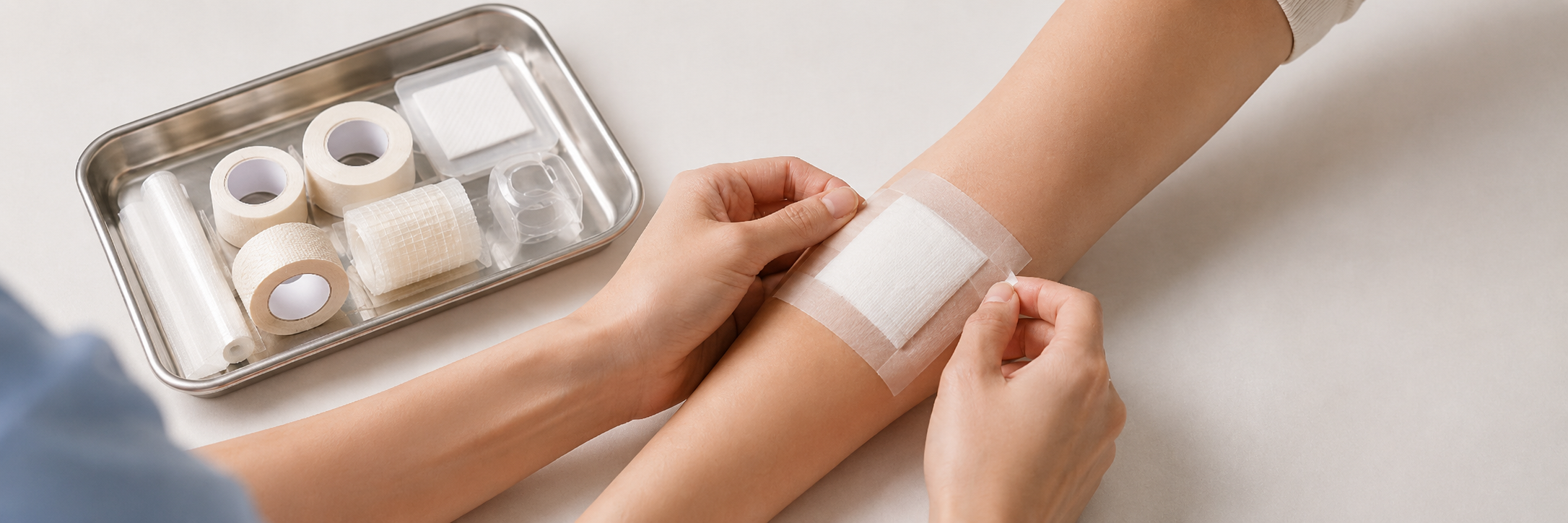
Medical tape is an important part of wound care, first aid and everyday clinical support. It is commonly used to secure dressings, gauze, tubing or light medical items to the skin.
The right tape depends on the task, skin type, dressing size, body area and level of adhesion needed. In healthcare, aged care, home care, NDIS, clinics, schools and workplace first aid settings, choosing a suitable tape can help support comfort and dressing security.
What is medical tape used for?
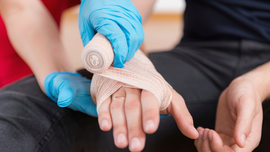
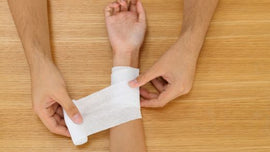
Medical tape is used to hold dressings, wound pads, gauze, bandages or light medical devices in place after minor cuts, grazes, procedures, dressing changes or general first aid care.
Healthdirect notes that wounds may require dressings, medical tape or other closure methods depending on the wound type and severity. In professional care settings, tape should be used according to workplace procedures, product instructions and qualified healthcare advice where wound care is involved.
Livingstone’s adhesive plaster and surgical tapes range includes options used across first aid, wound care and medical consumable settings.
Why does medical tape selection matter?
Different medical tapes are designed for different needs. Some provide breathable securement, while others support visibility, water resistance or broader dressing fixation. Using the wrong tape may affect comfort, adhesion, dressing placement or ease of removal, especially for fragile or sensitive skin.
What are the common types of medical tape?
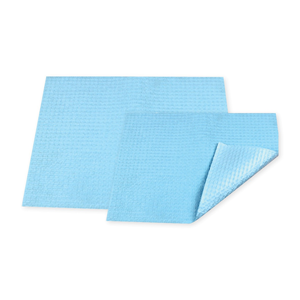
Paper microporous surgical tape
Paper microporous surgical tape is often used when a lightweight, breathable and gentle option is needed. It may be suitable for securing small dressings, gauze or light medical items, especially where skin comfort is a priority.
Livingstone’s Liv-Pore Premium Microporous Surgical Paper Tape is designed to secure dressings and devices to the skin. It is described as breathable, hypoallergenic and latex free, with minimal adhesive residue upon removal.
Transparent porous surgical tape
Transparent porous surgical tape is useful when visibility matters. It allows the secured area to remain more visible, which can help when monitoring tubing, device placement or bulky dressing securement.
Livingstone’s Liv-Clear Surgical Tape is a transparent porous tape used for securing tubing and devices, such as catheters or IV tubing, and anchoring bulky dressings. It is also water resistant, latex free and hypoallergenic.
Adhesive dressing fixation and retention tape
Adhesive dressing fixation and retention tape is commonly used when broader dressing coverage is needed. It can help secure larger wound dressings, pads or non-adherent dressings across wider areas, including curved or moving areas where flexibility and wider support are required.
Products such as Fix-A-Roll Adhesive Dressing Fixation Retention Tape can support dressing fixation across larger areas.
Waterproof transparent adhesive dressing
Waterproof transparent adhesive dressings may be selected where visibility and moisture protection are both important. They can help protect the dressing area from light moisture exposure while still allowing the covered area to remain visible.
Livingstone’s Fix-A-Clear Transparent Adhesive Dressing is a waterproof transparent adhesive dressing used for dressing fixation and protection. These products are not a substitute for clinical wound assessment, and users should follow care instructions around bathing, showering and dressing changes.

Are sports tape and autoclave tape the same as medical tape?
Sports tape and autoclave tape serve different purposes. Sports tape is generally used for strapping, support, stabilisation or injury management. Autoclave tape is used in sterilisation processes. This guide focuses on medical tapes used for dressing securement, wound care support and everyday first aid applications.
How should you choose the right medical tape?
Before selecting a medical tape, consider the intended task. Is it being used to secure a small dressing, hold a larger pad, support tubing, provide visibility or protect the area from light moisture? The dressing size and location can influence which type is most suitable.
Skin condition is another important factor. Fragile, sensitive or frequently taped skin may require a gentler option. For moving areas, flexibility and secure adhesion may be more important. For areas that need monitoring, a transparent option may be useful.
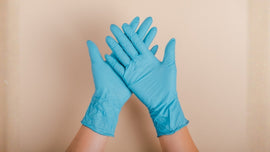
In healthcare and aged care environments, infection prevention and control also remains important. The Australian Commission on Safety and Quality in Health Care notes that infection prevention and control measures help reduce transmission risk in healthcare environments. Medical tape should be applied with clean hands, suitable technique and appropriate supporting supplies.

Supporting dressing securement across care settings
Medical tape may seem simple, but the right choice can support dressing security, skin comfort and everyday care routines. Paper microporous tape, transparent porous surgical tape, adhesive dressing fixation tape and waterproof transparent adhesive dressings each serve different needs across wound care, first aid, aged care, home care, clinics and workplace first aid settings.
References
Australian Commission on Safety and Quality in Health Care 2026, Infection prevention and control, viewed July 2026, https://www.safetyandquality.gov.au/clinical-topics/infection-prevention-and-control
Healthdirect Australia 2025, Wounds, cuts and grazes, viewed July 2026, https://www.healthdirect.gov.au/wounds-cuts-and-grazes


