













































World First Aid Day is a reminder that first aid readiness is not only about having supplies available. It is also about building confidence, awareness and practical response skills before an emergency happens.
First aid can be relevant in almost every setting, from hospitals, healthcare clinics and aged care facilities to NDIS support, home care, dental practices, beauty salons, tattoo studios, schools, workplaces, sports clubs and community spaces. Emergencies can happen quickly, and prepared teams are better placed to respond calmly while waiting for professional medical help.
Why does first aid confidence matter?
First aid confidence helps people recognise when something is wrong, know who to call and understand how to support a person until further help arrives. Safe Work Australia states that workplaces must provide access to first aid equipment, facilities and trained first aiders based on workplace hazards, size, location and workforce needs.
This means first aid should be considered across more than traditional office or industrial settings. Aged care workers may need to respond to falls, choking or sudden illness. Beauty and tattoo professionals may need to manage minor bleeding, fainting or skin reactions. Dental and healthcare teams may respond to medical events in clinical spaces. Schools, NDIS providers, hospitality venues and community groups also need clear response procedures.
Where is first aid applicable?
Healthcare, hospitals and clinics
Healthcare and hospital environments often have formal procedures, trained staff and clinical escalation pathways. First aid awareness remains important in waiting rooms, reception areas, treatment spaces and shared patient areas.
Aged care, NDIS and home care
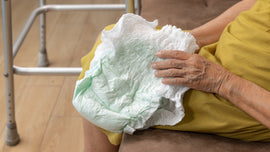
In aged care, disability support and home care, first aid readiness may support daily care routines, community access and home-based support. Staff may need to recognise changes in condition, respond to falls, manage choking risks or escalate concerns quickly.
Dental, beauty and tattoo settings
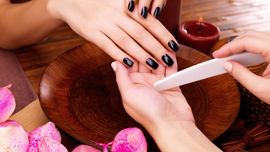
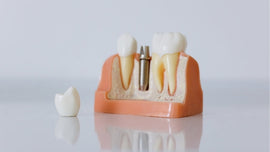
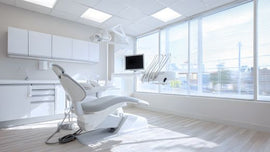
Dental clinics, beauty salons and tattoo studios work closely with clients in procedural or treatment environments. First aid awareness can support responses to fainting, minor wounds, bleeding, skin reactions or unexpected client discomfort.
Schools, workplaces and community spaces
First aid can be needed in classrooms, staff rooms, sports areas, kitchens, warehouses, offices and public-facing spaces. Clear signage, trained first aiders and accessible emergency contacts can help teams respond more confidently. For many settings, first aid and workplace safety supplies form part of broader readiness planning.
What first aid skills should teams be aware of?
CPR awareness
Cardiopulmonary resuscitation, or CPR, is one of the most recognised first aid skills. Teams should know how to recognise a possible cardiac emergency, call Triple Zero, locate an automated external defibrillator where available, and follow training or emergency dispatcher instructions. Resuscitation supplies may also support trained response where required by the setting.
Choking management
Choking can occur in care settings, schools, hospitality environments and anywhere food or small objects are present. Staff should understand how to recognise choking and follow trained first aid procedures for their workplace or care setting.
Bleeding control
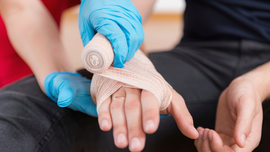
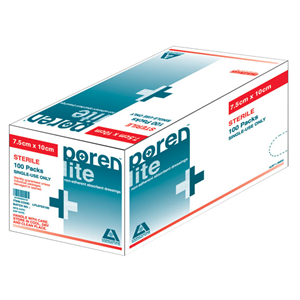
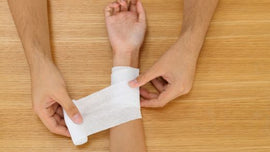
Bleeding control is important across healthcare, dental, beauty, tattoo, workplace and community environments. ANZCOR states that in life-threatening bleeding, controlling the bleeding takes priority over airway and breathing interventions. For other injuries, trained responders should follow recognised first aid guidance and workplace procedures. Having wound care supplies, dressings and disposable gloves accessible can support safer response where appropriate.
Emergency communication
A calm response depends on clear communication. Teams should know who the trained first aiders are, where emergency numbers are displayed, how to guide emergency services to the location, and how to record incidents according to workplace policy.
Safe scene awareness
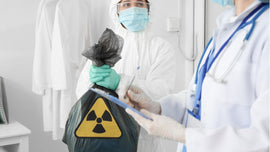
Before assisting, first aiders need to consider whether the area is safe. This may include risks from traffic, sharps, chemicals, equipment, wet floors, aggressive behaviour or biological hazards. In some settings, workplace safety supplies can help support safer response areas and clearer emergency readiness.

How can workplaces support First Aid Officers and first aid champions?
First aid readiness depends on both formal response roles and everyday awareness. In many workplaces, trained first aiders or First Aid Officers are appointed to help provide first aid support when incidents occur.
As a general guide, Safe Work Australia advises having one first aider for every 50 workers in low-risk workplaces, one for every 25 workers in high-risk workplaces, and one for every 10 workers in remote high-risk workplaces. It also recommends a first aid room for low-risk workplaces with 200 or more workers, and high-risk workplaces with 100 or more workers.
First Aid Officers should be clearly identified, supported with appropriate training and given access to the equipment, facilities and procedures needed for their role. In larger workplaces, multiple trained people may be needed across departments, locations or shifts.
First aid champions can complement these formal roles by keeping awareness visible day to day. They may remind teams where equipment is located, help keep emergency contacts easy to find, encourage regular checks and support first aid reminders. They do not replace trained First Aid Officers, but they can help create a stronger culture of first aid readiness.

What supplies support first aid response?
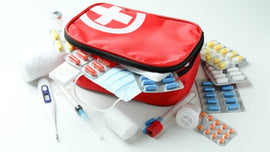
This blog is not a first aid kit checklist, but supplies still matter. First aid confidence is supported by having the right items accessible when needed.
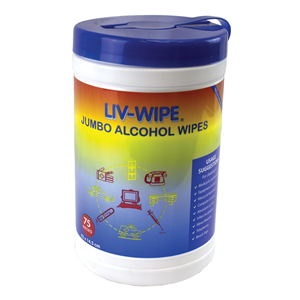
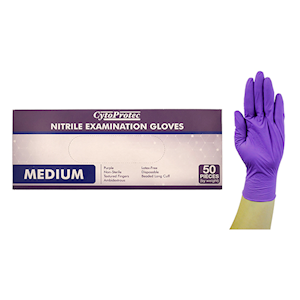
Common supporting supplies may include first aid supplies, gloves, wound dressings, bandages, CPR face shields, cold packs, eye wash supplies, sharps disposal containers where relevant, cleaning wipes and hygiene supplies, and clear signage. These items should be selected based on workplace risk, staff training and relevant procedures.
Supporting first aid awareness beyond World First Aid Day
World First Aid Day is a valuable prompt to look beyond the kit and focus on confidence, training and response. Prepared environments rely on people knowing what to do, where to find support and how to act safely in the first moments of an incident.
Livingstone supports workplaces, healthcare teams, care providers, schools, beauty, tattoo, dental and community settings with emergency rescue, first aid, PPE, hygiene and everyday safety supplies that help keep teams prepared.
References
Safe Work Australia 2024, First aid, Safe Work Australia, viewed 31 August 2026, https://www.safeworkaustralia.gov.au/safety-topic/managing-health-and-safety/first-aid
Australian and New Zealand Committee on Resuscitation 2025, Guideline 9.1.1: First Aid for Management of Bleeding, ANZCOR, viewed 31 August 2026, https://www.anzcor.org/home/first-aid/guideline-9-1-1-first-aid-for-management-of-bleeding
Environment Essentials 2026, Understanding the first aid requirements for your workplace, Environment Essentials, viewed 31 August 2026, https://www.enviroessentials.com.au/articles/2026/06/workplace-first-aid-requirements/


