
















































In care and treatment environments, bed covers, bed sheets and draw sheets do more than cover a surface. They help support comfort, surface protection, hygiene routines and smoother preparation between appointments, treatments or care tasks.
These products are used wherever people sit, lie down or receive care on shared surfaces. In hospitals and healthcare clinics, they may be used on examination couches, procedure beds and treatment chairs. In aged care, home care and NDIS support, they can form part of everyday bedding and personal care routines. In beauty, tattoo, massage, dental, physiotherapy and allied health settings, they can help prepare treatment areas and support room reset between clients.
Choosing the right option depends on the surface, the task, the level of coverage needed and how often the area needs to be changed.
What are disposable bed covers, bed sheets and draw sheets?
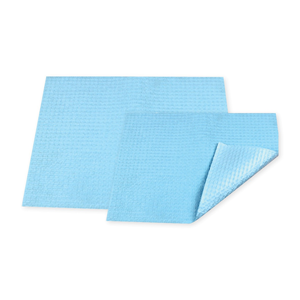
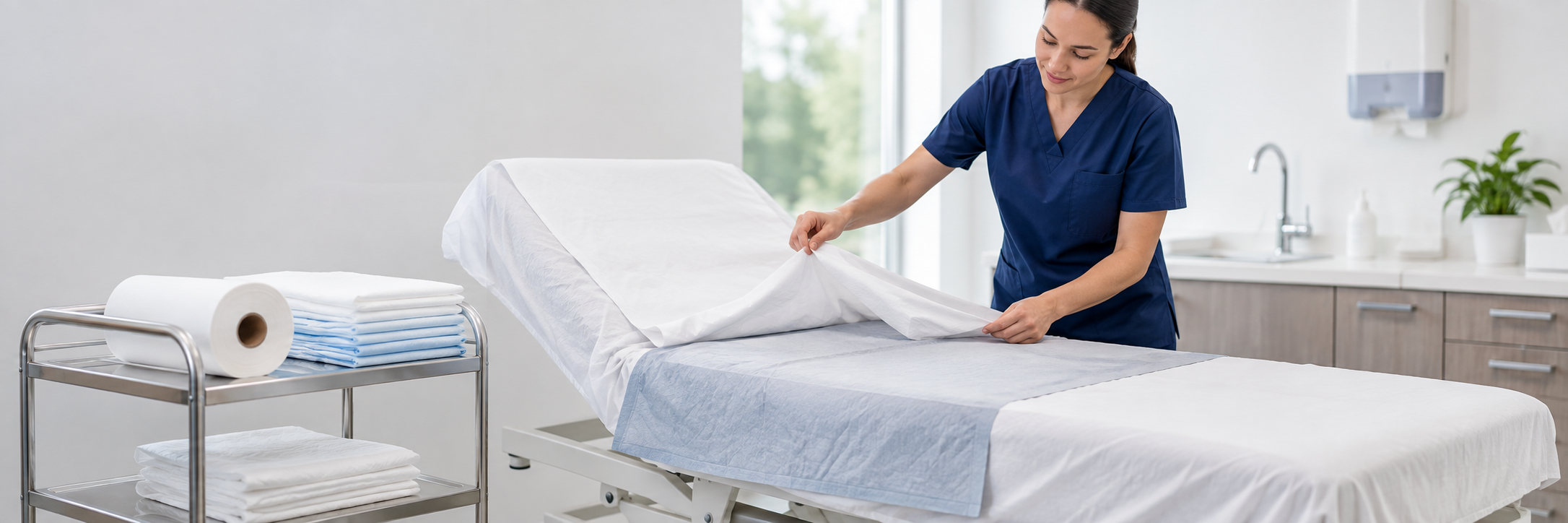
Disposable bed covers and bed sheets are used to cover treatment beds, examination couches, chairs or care surfaces before a client or patient sits or lies down. They help provide a fresh layer for each appointment, treatment or care interaction.
Clinical sheets may be supplied in rolls, folded sheets or pre-cut formats. Roll options, such as draw sheet or bed sheet rolls, can suit workplaces that need flexible coverage for different surface lengths.
Draw sheets are usually placed across the middle section of a bed or treatment surface. In care settings, they may help support bedding protection, comfort and repositioning routines when used appropriately.
Where are bed covers and draw sheets commonly used?
In hospitals and healthcare clinics, bed covers and sheets may help prepare examination areas before a patient arrives. They can support a consistent surface setup for consultations, assessments and clinical tasks.
In aged care, home care and NDIS support, draw sheets and bed sheets may support everyday comfort, bedding protection and personal care routines. They can be useful where care tasks are repeated throughout the day or where bedding needs to be changed efficiently.
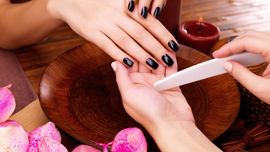
Beauty salons, skin clinics, massage rooms and tattoo studios may use disposable bed covers or bed sheets to help prepare client-facing spaces. These settings often require quick room reset, especially when treatment beds, chairs or tables are used by multiple clients.
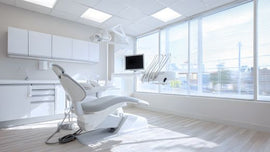
Dental, physiotherapy, podiatry and allied health practices may also use covers across chairs, couches and treatment tables. In these settings, surface preparation is part of keeping treatment rooms organised and ready for the next person.

Why are they important for treatment room workflows?
Treatment rooms often need to move from one appointment to the next without unnecessary delays. A suitable bed cover, bed sheet or draw sheet can help make preparation and reset more consistent.
These products may help protect surfaces from light spills, product residue, hair, skin contact or everyday appointment use. Some options, such as nonwoven draw sheet or bed sheet rolls, may suit workplaces that need a practical disposable layer for regular changeover.
Presentation also matters. A neatly prepared bed or treatment surface can help create a more professional and reassuring environment. For staff, having the right covers available can make room changeover easier and help keep supplies organised.
What is the difference between bed covers, bed sheets and draw sheets?
Disposable bed covers are generally used when a surface needs broader protection. They may suit examination couches, treatment beds, massage tables, tattoo chairs or reclined treatment surfaces.
Bed sheets can support comfort and coverage across beds and treatment surfaces. Depending on the setting, they may be used for everyday bedding, treatment preparation or client comfort. Products such as cellulose draw sheets or bed sheets may be considered where material feel and disposable convenience are important.
Draw sheets are usually placed across part of a bed, often around the torso or hip area. In healthcare, aged care, home care and disability support, they may help support bedding protection and care routines. They should always be used according to workplace procedures and appropriate manual handling guidance.
What should workplaces consider when choosing bed covers or draw sheets?
The first consideration is how the product will be used. A beauty treatment room may need soft, easy-to-change covers for client comfort and presentation. A healthcare clinic may need practical bed covers for patient examinations. Aged care, home care and NDIS settings may need draw sheets that support routine care and bedding protection.
Workplaces should also consider material, absorbency, size, ease of changing, storage space and disposal needs. Where fuller bed protection is required, mattress protectors may form part of the bedding protection setup.

Supporting smoother preparation and reset routines
Bed covers, bed sheets and draw sheets are often used alongside gloves, wipes, towels, aprons, PPE, waste bags, surface cleaning products and other care consumables.
Together, these supplies help create a more prepared treatment environment. They can support smoother setup, easier reset routines and better access to essential supplies between appointments, treatments or care tasks.
Livingstone supports Australian workplaces with clinical sheets, bed covers, draw sheets, mattress protectors and everyday treatment room supplies to help teams stay prepared.
References
National Health and Medical Research Council 2019, Australian Guidelines for the Prevention and Control of Infection in Healthcare, NHMRC, viewed August 2026, https://www.nhmrc.gov.au/about-us/publications/australian-guidelines-prevention-and-control-infection-healthcare-2019
NSW Health 2026, Beauty treatment businesses, NSW Government, viewed August 2026, https://www.health.nsw.gov.au/environment/factsheets/Pages/beauty-treatment.aspx


