





























































Specimen collection is a routine part of many healthcare, pathology and care workflows. Whether a sample is collected in a hospital, general practice, aged care facility, pathology collection centre or community care setting, the process depends on preparation, clear identification, hygiene and organised handling.
For healthcare teams, having the right specimen collection supplies ready can help support smoother workflows, minimise unnecessary delays and keep collection areas prepared for different sample types, patients and workplace procedures.
What are specimen collection supplies?
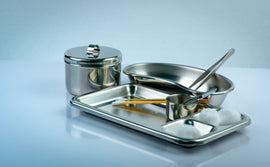
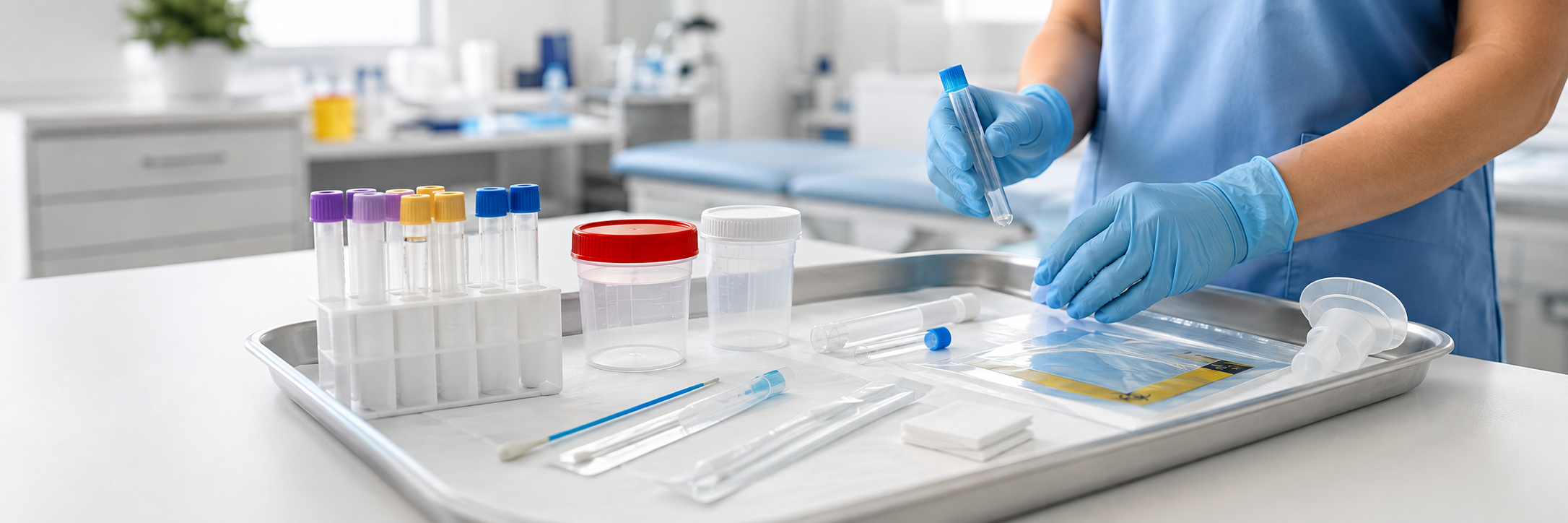
Specimen collection supplies are the consumables and equipment used to collect, identify, contain, handle and prepare samples for transfer or testing. These may include specimen containers, urine jars, specimen bags, labels, markers, gloves, PPE, wipes, cleaning products and waste disposal supplies.
These products support the front end of the specimen collection process. They do not replace workplace procedures, clinical judgement or pathology requirements, but they help keep collection areas organised, stocked and ready for use.
Where are specimen collection supplies used?
Specimen collection supplies may be used across a wide range of settings, including hospitals, GP clinics, medical centres, pathology collection centres, community health services, aged care facilities, NDIS support environments, home care, occupational health, workplace screening programs and specialist clinics.
In hospitals and clinics, specimen collection may form part of diagnosis, monitoring or routine patient care. In aged care, home care and community nursing, supplies may be needed to support sample collection in residential or home-based environments. In occupational health and workplace screening, organised supplies can help teams manage multiple people, records and samples in a structured way.

Why does preparation matter in specimen collection?
Specimen collection involves more than collecting a sample. The area must be ready, the right container must be available, the patient or client must be correctly identified, and the sample must be labelled and handled according to workplace procedures.
Clear labelling and patient identification are especially important. In specimen collection workflows, labels, markers, request forms, specimen bags and organised storage areas all support clearer handling and better workflow consistency.
What supplies support organised specimen collection?
Specimen containers and jars
Specimen containers are commonly used for collecting samples such as urine, stool, sputum or other specimen types, depending on workplace procedures and testing requirements. The right container helps support secure collection, clear visibility, correct capacity and appropriate handling.
For example, labelled specimen jars with cap and spoon may be used where a suitable container is required for specific collection tasks.
Specimen bags
Specimen bags help keep collected samples and related documentation organised. Some specimen bags include separate compartments to help keep forms or paperwork apart from the sample container. This can support clearer handling and transfer between collection areas, healthcare teams and pathology services.
Labels and markers
Labels and markers support clear identification, which is essential in specimen collection areas. Depending on the setting, labels may include patient details, collection time, specimen type, collector details or other information required by workplace procedures.
Gloves and PPE
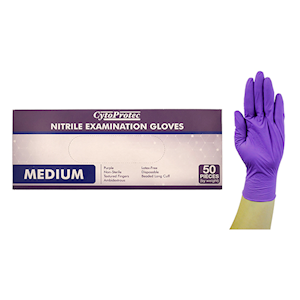
Gloves, masks, gowns and protective eyewear may be used where appropriate to support hygiene and staff protection during specimen collection and handling. The type of PPE required depends on the task, exposure risk and workplace policy.
Healthcare teams may also use face masks, protective gowns or eye shields where added protection is required.
Wipes and cleaning supplies
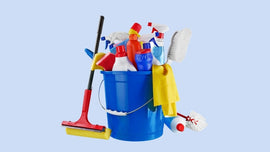
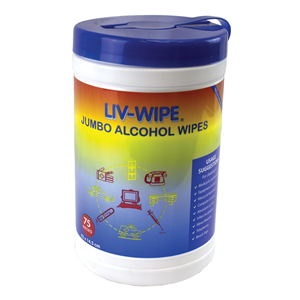
Collection areas often need to be reset between patients or tasks. Wipes, surface cleaning products, tissues, paper towels and hand hygiene supplies can help support routine cleaning, patient comfort and general hygiene practices.
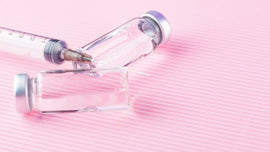
Blood collection supplies
Some healthcare settings may also require blood collection supplies as part of broader specimen collection workflows. These products should be used according to workplace procedures, training requirements and relevant clinical guidance.
Sharps and waste disposal supplies
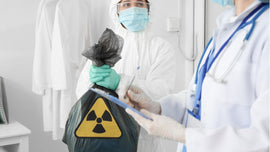
Where blood collection or needle-related procedures are performed, sharps disposal containers may be required. General waste disposal supplies and biohazard waste products can also help keep collection areas organised and ready for the next person.

How can healthcare teams keep specimen collection areas prepared?
A prepared collection area should make it easy for staff to access the supplies they need without unnecessary interruptions. Workplaces may consider keeping commonly used items grouped by task, checking stock levels regularly, separating clean and used areas, and ensuring labels, forms and specimen bags are easy to reach.
For busy healthcare environments, preparation can help support more consistent workflows. It can also help reduce the risk of missing supplies during patient care, community visits or high-volume collection periods.
Supporting collection, identification, containment and reset
Specimen collection supplies play a practical role in everyday healthcare workflows. From specimen containers and specimen bags to labels, PPE, wipes and waste disposal items, each supply helps support a different step of the process.
By keeping collection areas prepared, healthcare teams can support clearer identification, more organised handling and smoother reset between patients or care tasks.
Livingstone supports hospitals, clinics, aged care, community care, NDIS, pathology and healthcare teams with specimen collection supplies and everyday medical consumables to help keep workflows prepared.
References
Australian Commission on Safety and Quality in Health Care 2013, Guidelines for Approved Pathology Collection Centres: Requirements for medical pathology specimen collection, Australian Commission on Safety and Quality in Health Care, viewed August 2026, https://www.safetyandquality.gov.au/resources/guidelines-approved-pathology-collection-centres-requirements-medical-pathology-specimen-collection-third-edition-2013
Australian Commission on Safety and Quality in Health Care 2026, Patient identification and procedure matching, Australian Commission on Safety and Quality in Health Care, viewed August 2026, https://www.safetyandquality.gov.au/national-standards/nsqhs-standards/communicating-safety-standard/further-information-communicating-safety/patient-identification-and-procedure-matching


