
































































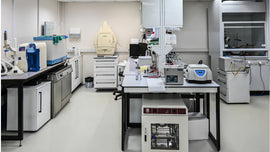
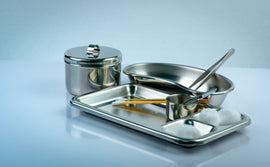




Sample handling is a routine part of laboratory work, but it plays an important role in how samples are collected, transferred, labelled, stored, observed and prepared for testing. Whether a sample is used in a healthcare facility, school laboratory, university, research centre, pathology setting, food testing area or quality control environment, the right supplies can help support accuracy, organisation and safer day-to-day workflows.
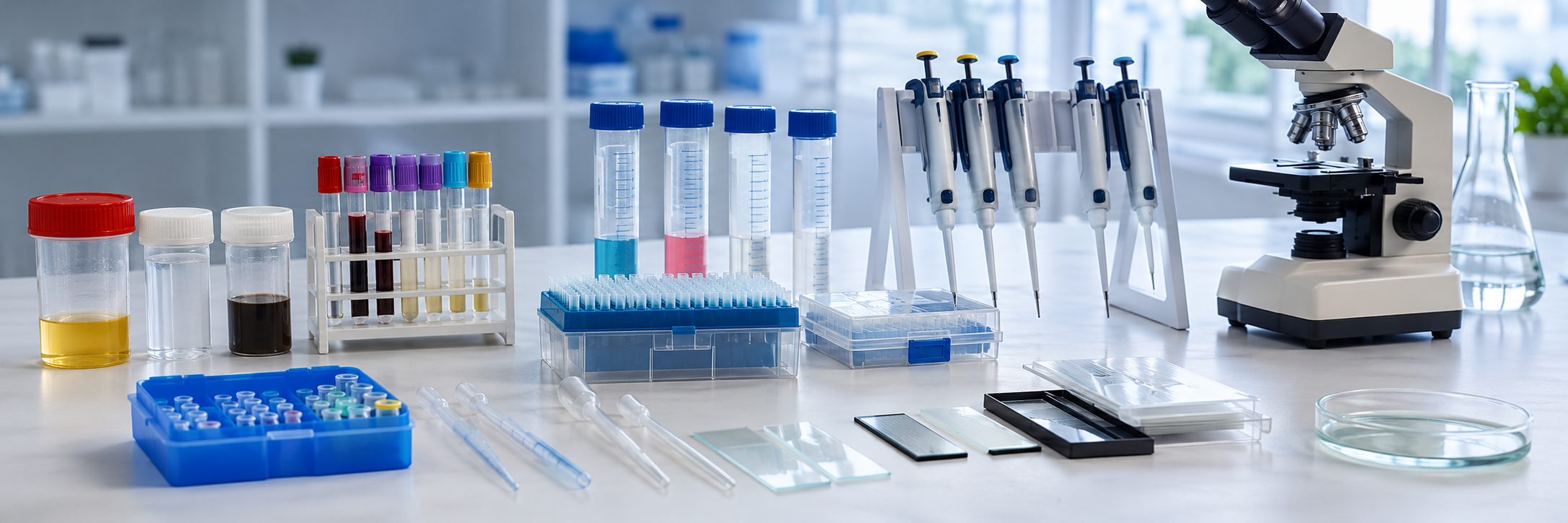
Sample handling supplies may include specimen containers, test tubes, centrifuge tubes, pipettes, droppers, microscope slides, cover slips, labels, racks, gloves and protective wear. Each item has a purpose, and choosing the right option depends on the sample type, volume, storage needs, testing process and workplace procedures.
Why does sample handling matter?
Sample handling matters because each stage can affect the quality, traceability and suitability of a sample. Poor handling may lead to contamination, incorrect identification, leakage, loss of sample volume or unsuitable storage. In clinical and pathology settings, pathology testing is used to help diagnose disease, which makes correct collection, handling and identification especially important.
In education, research and industrial laboratories, good sample handling also supports clearer learning, more reliable observations and better workflow control. A well-organised process helps teams reduce confusion, separate samples correctly and minimise unnecessary rework.
What are sample handling supplies?

Sample handling supplies are products used to manage a sample from collection through to preparation, testing, observation or storage. They support different parts of the workflow, including containment, transfer, labelling, protection and organisation.
Containers, tubes and sample storage
Samples may need to be collected, held, transported, stored or processed depending on the laboratory task. Containers and tubes help keep materials contained and suitable for the next stage of the workflow. Livingstone Specimen and Urine Containers, Livingstone Test Tubes and Centrifuge Conical Tubes can support collection, short-term storage and processing across different laboratory environments.
Choosing the right container often depends on capacity, material, lid type, sterility, labelling needs and whether the sample needs to be transported, stored or processed.
Pipettes, droppers and transfer tools
Liquid handling often requires control, especially when transferring small amounts of samples, reagents or solutions. Transfer tools help move liquids between containers, slides or testing areas with greater accuracy and consistency. Livingstone Plastic Transfer Pipettes may support single-use transfer tasks, while Livingstone Pasteur Pipettes are commonly used in chemistry, biology and medical laboratory work to transfer liquid volumes.
The right option may depend on liquid volume, level of control, sample type and whether single-use handling is preferred.
Slides, cover slips and observation supplies
When samples need to be viewed under a microscope, slides and cover slips help position and protect the sample for examination. Livingstone Premium Pathology Grade Microscope Glass Slides and Livingstone Microscope Cover Slips can support sample preparation and clearer examination under a microscope.
Slides and cover slips are used across education, biological science, medical training, research and laboratory observation. A suitable slide setup helps keep the sample positioned for viewing and can support practical science lessons, biological examination and general laboratory demonstrations.
Where are sample handling supplies used?
Sample handling supplies are used across many professional and learning environments. In healthcare and pathology, they may support specimen collection, preparation, testing and transport. In schools and universities, they help students practise scientific methods, observe samples and complete practical experiments. In research laboratories, sample handling products assist with repeated testing, liquid transfer, storage and controlled observation.
They are also used in food testing, environmental testing, veterinary settings, manufacturing and quality control. These environments may handle water, soil, food, biological, chemical or production samples. While the sample types differ, the need for clear labelling, suitable containment and careful handling remains important.
How should labs choose the right sample handling supplies?
The right product depends on the task and working environment. Before selecting supplies, consider the sample type, amount being handled, whether sterility is required, how the sample will be labelled and whether it needs to be stored, transported, processed or observed.
Labs should also consider material compatibility. Some samples may require plastic containers, while others may need glassware or specific storage conditions. For liquid handling, volume accuracy and single-use requirements may influence whether a transfer pipette, Pasteur pipette, dropper or pipette tip is most suitable.
Labelling is another important part of sample handling. Clear sample identification can help reduce mix-ups and support traceability through collection, preparation and storage. A Laboratory Permanent Marker can assist with marking laboratory items clearly where suitable. Where hazardous chemicals are involved, Safe Work Australia notes that labels help identify hazards and provide instructions for safe use.

Why do PPE and organisation matter in sample handling?
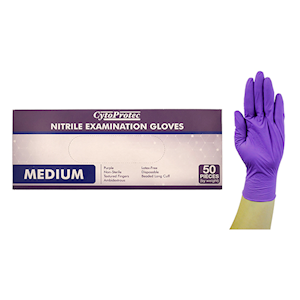
Personal protective equipment and organised workspaces can support safer sample handling. Gloves and laboratory coats may help reduce direct contact and protect clothing during laboratory work, depending on the sample type, workplace procedures and safety requirements. Options such as Ni-Tek Nitrile Examination Gloves and Livingstone Laboratory Coats can support everyday laboratory protection needs.
Organisation also helps improve efficiency. Keeping tubes upright, separating sample groups and making items easier to identify can help minimise delays and reduce confusion during busy workflows. A Livingstone Test Tube Rack Stand can support tube organisation during sample handling and preparation.
Supporting everyday laboratory workflows
Sample handling may involve small tools and consumables, but each item plays a role in maintaining organised, traceable workflows. From specimen containers, test tubes and centrifuge tubes to pipettes, microscope slides, labels, racks and PPE, the right supplies can help laboratories, classrooms, healthcare facilities and testing environments manage samples with greater confidence and consistency.
Livingstone International provides laboratory, medical and protective supplies to support sample handling and everyday laboratory workflows across Australia.
References
Australian Government Department of Health, Disability and Ageing 2025, Pathology, viewed July 2026, https://www.health.gov.au/topics/pathology
Safe Work Australia 2023, Model Code of Practice: Labelling of workplace hazardous chemicals, viewed July 2026, https://www.safeworkaustralia.gov.au/doc/model-code-practice-labelling-workplace-hazardous-chemicals


