





























































Winter hygiene is more than keeping shared spaces visibly clean. During the colder months, people spend more time indoors, move through common areas and share equipment, surfaces and facilities throughout the day. This can make it easier for germs to spread across environments where people work, learn, receive care, prepare food or provide services.
Good winter hygiene supports safer interactions and helps minimise disruption caused by seasonal illness. From care settings and classrooms to kitchens, offices, salons and customer-facing environments, hygiene practices should be simple, consistent and supported by the right supplies.
Why does winter hygiene matter in shared spaces?
Shared spaces create repeated contact between people, surfaces and everyday items. Door handles, desks, payment terminals, treatment chairs, kitchen counters, bathrooms and shared tools can all become transfer points for germs.
Winter hygiene helps reduce the risk of infection spreading through hands, surfaces, respiratory droplets and contaminated waste. It is especially important where people may be more vulnerable to illness, where food is handled, where close-contact services are provided or where large numbers of people share facilities.
A practical approach starts with making hygiene easy to follow. Instead of relying on occasional cleaning or reminders, shared spaces need routines that are visible, accessible and suited to the environment. This may include hand hygiene stations, regular surface cleaning, respiratory hygiene measures, appropriate PPE and clear waste disposal processes.

How can hand hygiene be made easier?
Hand hygiene is one of the most effective ways to help reduce the spread of infection. According to healthdirect, washing hands helps prevent infections such as colds, flu, COVID-19 and gastroenteritis by reducing germs on hands.
In shared environments, hand hygiene should be available when people need it most. Entrances, bathrooms, kitchens, treatment areas, classrooms, reception counters, staff rooms and shared workstations are all practical locations for hand hygiene access.
The easier hand hygiene is to complete, the more likely people are to follow it. A hand sanitiser station at an entrance, hand wash near a sink or wipes near shared equipment can encourage better habits without interrupting daily routines. Livingstone’s hand hygiene range also includes hand cleansers for high-use areas.
Why is surface hygiene more than appearance?
A surface can look clean while still carrying germs. During winter, regular surface cleaning helps reduce the risk of germs spreading through busy areas where the same surfaces are touched repeatedly.
Different environments have different cleaning needs. Food preparation areas may require food-safe cleaning practices, while care, treatment, beauty and personal care settings may need more structured cleaning between clients, patients or residents. Offices and education settings may need practical routines for shared desks, devices, bathrooms and communal spaces.
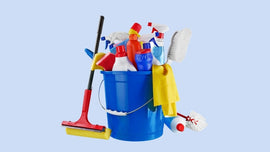
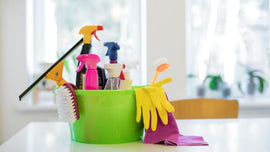
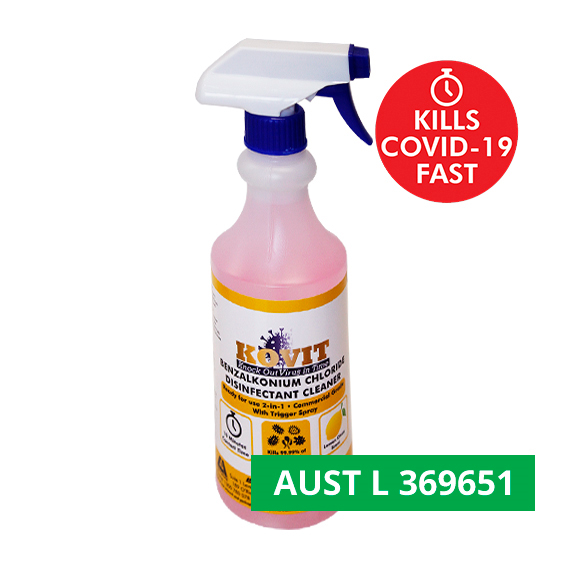
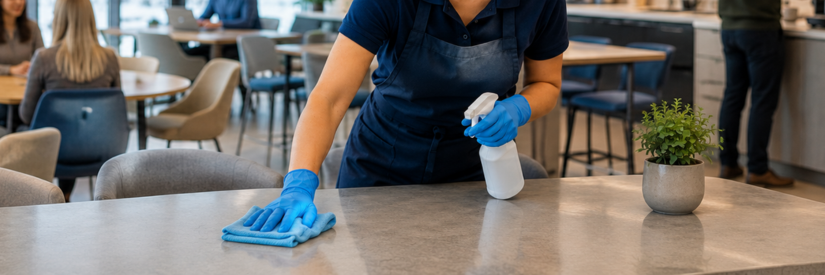
Reliable surface hygiene is easier to maintain when cleaning products are available where cleaning happens. Disinfectant wipes, spray bottles, cleaning cloths and disposable gloves can support routine cleaning throughout the day, while colour-coded cleaning tools may help minimise cross-contamination between different zones.
What role does respiratory hygiene play in winter?
Coughing, sneezing and close conversation can contribute to the spread of respiratory germs. Respiratory hygiene includes covering coughs and sneezes, using tissues, disposing of waste correctly and cleaning hands afterwards.
Shared spaces can encourage better respiratory hygiene by making simple actions easier. Facial tissues, face masks, hand hygiene access and disposal points should be easy to find in high-traffic areas, bathrooms, staff rooms, waiting areas and care environments.
This is where small details can make a meaningful difference. A lined bin near a waiting area, tissues in a classroom or hand sanitiser near a reception counter can help people act quickly and responsibly in the moment.
When should PPE and waste control be considered?
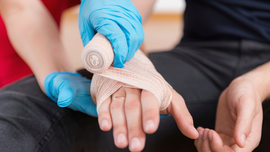
Personal protective equipment can help reduce exposure during higher-contact or higher-risk tasks. Gloves, masks, aprons, gowns and protective eyewear may be suitable for cleaning, food handling, personal care, treatment services or infection control procedures.
PPE should be matched to the task and used as part of a broader hygiene routine. Gloves can support cleaning and handling tasks, but they do not replace hand hygiene. Masks may support respiratory hygiene in certain settings, while aprons, gowns and protective eyewear can help protect clothing and skin during close-contact or cleaning activities.
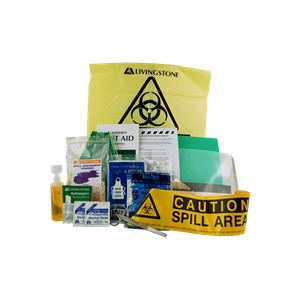
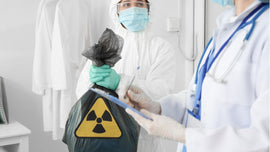
Waste control is also an important part of winter hygiene. Used tissues, masks, gloves, wipes and cleaning materials should be disposed of promptly and safely. Clear disposal points, suitable liners and waste bags help keep shared spaces cleaner, more organised and better prepared throughout the day.

How can shared spaces build better hygiene habits?
Strong winter hygiene depends on consistency. The Australian Government Department of Health, Disability and Ageing provides infection prevention and control resources that support best practice across community, hospital and institutional settings.
For everyday shared spaces, good habits are easier to maintain when supplies are accessible, routines are clear and restocking is planned. Hand hygiene should be located where people enter, eat, work, receive care or use shared equipment. Cleaning supplies should be suitable for the setting and available to the people responsible for maintaining the area. PPE and disposable items should be stored close to where they are used.
A broad hygiene approach helps different environments manage different risks. Hygiene, cleaning, PPE, medical consumables, food service products, beauty disposables, paper products and waste management essentials each support a different part of winter infection control.
A smarter approach to winter hygiene
Winter hygiene is not about one product or one cleaning task. It is about creating shared spaces where safer habits are simple, visible and consistent.
By supporting hand hygiene, surface cleaning, respiratory etiquette, appropriate PPE use and responsible waste disposal, organisations can help reduce the spread of germs and maintain confidence throughout the colder months.
During cold and flu season, access to the right hygiene, PPE, cleaning and waste management essentials can help reduce infection risks and keep shared spaces prepared. Whether you manage a healthcare practice, aged care facility, food service team, school, office or warehouse, Livingstone offers a broad range of everyday supplies to help teams stay stocked, organised and ready throughout winter.
References
Australian Government Department of Health, Disability and Ageing 2025, ICEG-endorsed resources for infection prevention and control, viewed June 2026, https://www.health.gov.au/resources/collections/iceg-endorsed-resources-for-infection-prevention-and-control
Healthdirect 2023, Hand washing, viewed June 2026, https://www.healthdirect.gov.au/hand-washing


