




















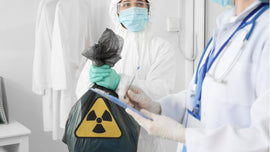




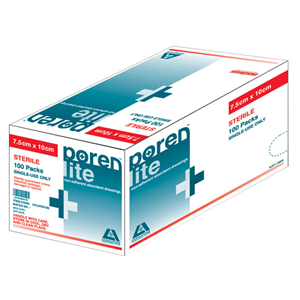

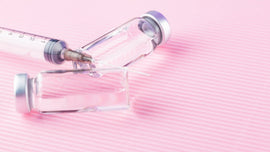

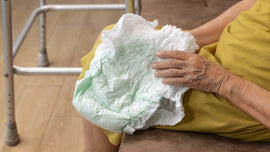

















Not every instrument, tool or consumable should be treated the same way after use. Some products are designed to be discarded immediately, while others can be cleaned, disinfected or sterilised before they are used again.
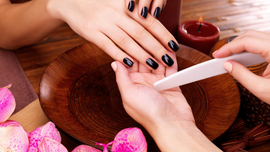
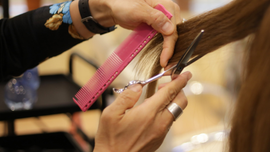
Understanding the difference matters across hospitals, healthcare, aged and home care, disability support, dental practices, beauty treatment rooms, tattoo studios and other environments where equipment may come into contact with people, skin, body substances or shared surfaces.
The correct approach depends on how an item is designed, how it is used and the level of infection risk involved.
What does “single-use” mean?
A single-use item is intended to be used once on one person or during one procedure before being discarded appropriately.
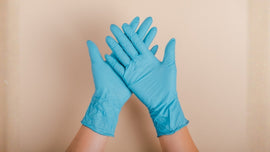
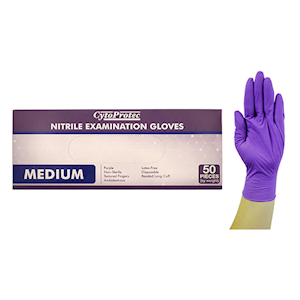
Examples may include gloves, applicators, swabs, some razor blades and other disposable consumables designed for one-time use.
Single-use products are particularly important where effective reprocessing is not appropriate or possible. NSW Health advises that instruments used for skin penetration that cannot be effectively cleaned and sterilised must be single-use. Needles and razors used for skin penetration must also not be reused.
If an item is labelled single-use, it should not simply be cleaned and returned to service.
Which products can be reused?
Reusable products are designed to withstand repeated use and an appropriate reprocessing method. These may include certain clinical, dental, beauty and tattoo instruments, as well as other equipment manufactured for reuse.
However, reusable does not mean an item can simply be wiped down and used again. Manufacturer instructions should identify how it should be cleaned, whether disinfection or sterilisation is required, and which products, temperatures or processes are suitable.
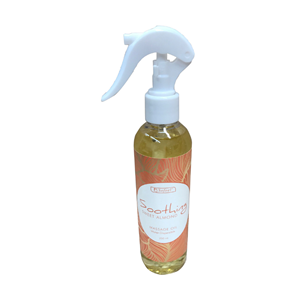
Some reusable instruments may also require ongoing care between reprocessing cycles. Products such as anti-rust instrument milk may help maintain suitable reusable instruments where recommended by the manufacturer.
What is the difference between cleaning, disinfection and sterilisation?
These terms describe different levels of reprocessing and should not be used interchangeably.
Cleaning
Cleaning removes dirt, organic material and other contamination from an item.
It is an essential first step before any required disinfection or sterilisation. Instrument detergents, brushes and ultrasonic cleaners may be used depending on the item and manufacturer instructions.
Importantly, an ultrasonic cleaner cleans instruments but does not sterilise them.
Disinfection
Disinfection reduces microorganisms using an appropriate chemical or physical process.
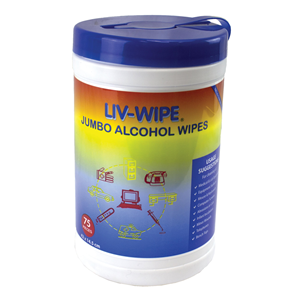
The level of disinfection required depends on how the item is used and the level of risk involved. Disinfectant wipes can support surface and equipment cleaning where appropriate, but they are not a substitute for sterilisation when a reusable instrument requires a validated sterilisation process.

Sterilisation
Sterilisation is a validated process designed to render an item free from viable microorganisms.
Reusable instruments that penetrate the skin generally require sterilisation after thorough cleaning. NSW Health identifies steam-under-pressure sterilisation using an appropriate autoclave as a commonly used method for suitable reusable skin penetration instruments.
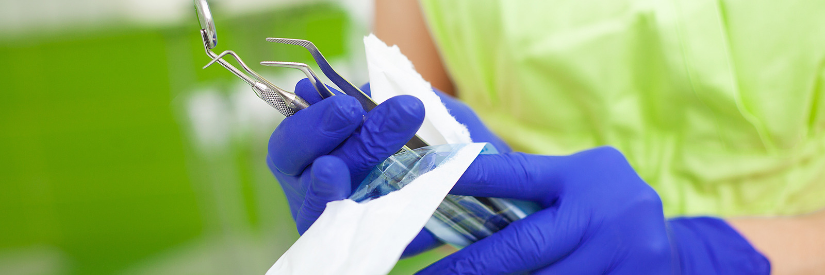
Livingstone’s broader sterilisation range includes products such as sterilisation pouches, autoclave paper and sterilisation wraps that can support different stages of instrument reprocessing and packaging.
When is sterilisation required?
The level of reprocessing should reflect how and where the item is used.
An item used only on intact skin presents a different infection risk from an instrument that penetrates skin or enters normally sterile tissue. Reusable items requiring sterilisation need to be cleaned first and may need to be opened or dismantled, rinsed, dried, inspected and packaged before sterilisation.

Sterilisation pouches and wraps can help maintain processed instruments after sterilisation, provided the packaging remains intact, dry and stored appropriately.
Does the same approach apply everywhere?
The principles are similar, but practical requirements vary.
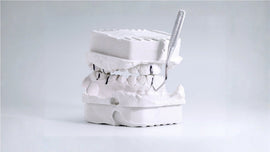
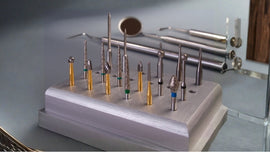
Hospitals and dental practices may have established systems for reprocessing reusable instruments. Products such as dental burs may be reusable or single-use depending on their design and manufacturer instructions, so their reprocessing requirements should always be checked before reuse.
Tattoo and beauty environments may use a combination of sterile single-use products and reusable equipment requiring sterilisation. In aged care, disability support and home care, the focus may more often involve correct use of disposable consumables, cleaning shared equipment and following manufacturer instructions for reusable care items.
The underlying principle remains the same: the way an item is managed after use should match its intended use and the level of risk involved.
Choosing the right approach
There is no single answer for every product or environment.
The choice should consider the procedure, infection risk, manufacturer instructions, available reprocessing equipment and whether an item can be cleaned, disinfected or sterilised effectively.
Single-use products should remain single-use. Reusable items should follow the appropriate reprocessing pathway before returning to use.
Understanding these distinctions helps make cleaning, disinfection and sterilisation clearer, more consistent and easier to build into everyday practice.
References
Australian Commission on Safety and Quality in Health Care 2025, Disinfection requirements for reusable medical devices, Australian Government, viewed November 2026, https://www.safetyandquality.gov.au/accreditation/advisories/advisory-di2104-disinfection-requirements-reusable-medical-devices
NSW Health 2025, How to clean and sterilise reusable skin penetration equipment and instruments, NSW Government, viewed November 2026, https://www.health.nsw.gov.au/environment/factsheets/Pages/how-to-sterilise-instruments.aspx


