






























































Spring brings warmer weather and longer days, but it can also mean more sneezing, itchy eyes, nasal congestion and respiratory irritation for people affected by seasonal allergies. Pollen from grasses, weeds and trees is a common trigger, and exposure can affect people at home, outdoors and across workplaces, schools, healthcare, aged care, disability support and community environments.
Understanding common triggers, recognising symptoms and reducing pollen exposure where practical can make seasonal allergy management easier. For people with asthma or other respiratory conditions, spring is also an important time to stay aware of changing symptoms and follow existing management plans.
Why can allergies become worse in spring?
Pollen consists of tiny grains released by grasses, weeds and trees. Wind can carry these particles through the air, so exposure can occur well beyond the plants producing them.
According to Healthdirect Australia, pollen levels vary by season and location, and pollen allergy can cause allergic rhinitis, commonly called hay fever. Pollen exposure can also trigger asthma symptoms in some people.
Pollen may enter indoor spaces through open windows and doors or be carried inside on clothing, hair, footwear and belongings.
What are common symptoms of spring allergies?
Seasonal allergies can affect the nose, eyes, throat and respiratory system. Common symptoms may include:
- sneezing
- a runny, itchy or blocked nose
- itchy, watery or red eyes
- throat irritation
- coughing
- wheezing in some people
Hay fever can sometimes resemble a persistent cold, but it is caused by an allergic response rather than an infection. Persistent, worsening or unfamiliar symptoms should be discussed with a healthcare professional.

How can pollen exposure be reduced during spring?
Completely avoiding pollen is difficult, but practical steps can help minimise exposure.
Checking local pollen conditions can help people plan outdoor activities when pollen counts are elevated. Keeping windows closed during high-pollen periods may also reduce the amount entering homes, vehicles and shared indoor spaces.
After extended time outdoors, changing clothes and washing exposed skin or hair can help limit pollen transfer indoors. Regular cleaning may also reduce pollen settling on frequently used surfaces.
In shared environments, accessible tissues, hand hygiene products and swabs and wipes can support everyday hygiene during allergy season.
How can indoor environments support allergy management?
Pollen can settle on desks, counters, furniture and other frequently used areas.
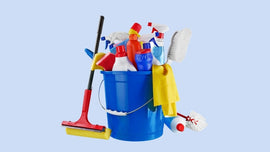
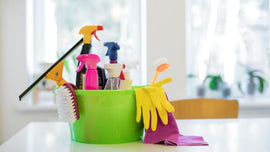
Routine cleaning with suitable wipers and cleaners may help reduce the build-up of pollen alongside dust and other environmental allergens. This can be relevant across homes, workplaces, schools, clinics, aged care facilities and disability support settings.
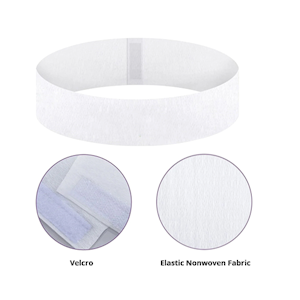
Good hand hygiene can also help reduce pollen transfer from hands to the eyes, nose or face. For some people, face masks may provide an additional practical barrier during particular outdoor activities or higher-exposure situations.
The aim is not to create a pollen-free environment, but to reduce avoidable exposure where practical.
What is the connection between pollen, asthma and respiratory health?
Pollen can do more than cause hay fever. For people who are sensitive to it, pollen can also trigger asthma symptoms.
Asthma Australia advises that thunderstorm asthma risk is particularly relevant during grass pollen season. Certain thunderstorms can break pollen into very small particles that may be inhaled deeper into the lungs. People with asthma, hay fever or sensitivity to grass pollen may be at increased risk.
People with an existing asthma management plan should continue using prescribed medicines and respiratory equipment as directed by their healthcare professional. Keeping relevant respiratory management supplies accessible can form part of established respiratory care routines.
For people already using a metered-dose inhaler, a Livingstone Flat Disposable Cardboard Asthma Spacer may support inhaler administration when used as directed as part of an existing asthma management plan.
Any wheezing, chest tightness, shortness of breath or significant breathing difficulty should be taken seriously. Severe breathing difficulty requires urgent medical attention.

How can workplaces and care settings prepare for allergy season?
Spring allergy awareness is relevant wherever people spend extended periods together.
Teams can consider whether tissues and hygiene supplies are easy to access, whether frequently used surfaces are cleaned routinely, and whether staff know how to respond if someone experiences worsening respiratory symptoms.
Schools, workplaces and care environments may also benefit from being aware of local high-pollen conditions and thunderstorm asthma alerts where applicable.
Making spring allergies easier to manage
Spring allergies cannot always be avoided, but understanding pollen triggers can make them easier to navigate. Reducing exposure where practical, maintaining cleaner indoor spaces, monitoring respiratory symptoms and following established allergy or asthma management plans can all form part of a considered approach to spring respiratory health.
Livingstone International supports homes, workplaces, healthcare and care environments with respiratory, hygiene and everyday care supplies that can help support practical routines throughout allergy season.
References
Healthdirect Australia 2026, Pollen allergy, Australian Government, viewed 22 September 2026, https://www.healthdirect.gov.au/pollen-allergy
Asthma Australia 2026, Thunderstorm asthma, Asthma Australia, viewed 22 September 2026, https://asthma.org.au/triggers/thunderstorm-asthma/


