








































Most people do not think much about their eyes until something changes. A long day at a screen, irritation after working outdoors, a splash during cleaning or a sudden change in vision can quickly make eye health feel more immediate.
Coming just after World Sight Day, it is a useful reminder that looking after vision is not limited to one awareness day. The 2026 campaign continues IAPB’s #LoveYourEyes message and its focus on making eye care accessible, available and affordable.
Everyday eye health is shaped by a mix of habits, environments and timely action. Regular eye checks, sensible screen use, UV protection, suitable workplace protection and knowing when to seek further care can all play a role in supporting healthier vision over time.
When your eyes feel tired
Screen use is a common part of work, study and everyday life. Extended periods of close focus can contribute to tired, dry or uncomfortable eyes, particularly when breaks are limited or lighting is poor.
Healthdirect recommends giving the eyes regular breaks from screens, positioning desktop screens at least an arm’s length away, using suitable lighting and reducing glare. A practical guide is to look at something around six metres away for about 20 seconds every 20 minutes.
Small adjustments to screen position, brightness and break patterns can help reduce unnecessary strain without disrupting daily routines. For people working long hours at computers, these habits can be especially useful as part of everyday eye care.
When something changes
Some eye changes are temporary, but others deserve further assessment.
Blurred or reduced vision, persistent pain, ongoing redness, unusual visual disturbances or increased sensitivity to light should not simply be ignored if they continue or appear suddenly.
Regular eye tests are also important even when there are no obvious symptoms. Healthdirect advises eye tests every two to three years for adults under 65, and yearly for adults over 65. Eye tests can help identify problems before noticeable changes occur.
Sudden vision loss, significant injury or severe symptoms require more urgent medical attention. If something feels unusual or does not improve, professional assessment is the safest next step.

When the environment creates a risk
Eye health is not only about screens or ageing. Everyday environments can expose the eyes to dust, wood chips, metal fragments, chemicals, splashes and other airborne material.
Suitable eye protection is important where these hazards are present. Healthdirect recommends face visors or wrap-around goggles where there is a risk of substances or objects entering the eyes.
Livingstone eye shields can form part of eye protection or first aid arrangements where appropriate, depending on the task and workplace procedure.
UV exposure is another everyday consideration. Sunglasses with good UV protection and a sun hat can help protect the eyes outdoors, especially for people who spend extended periods outside for work or recreation.

When something gets into the eye
Dust, debris or chemical splashes can cause immediate discomfort, and the first response depends on what has entered the eye.
Rubbing the eye should generally be avoided, as this may worsen irritation or injury. Where rinsing is appropriate, eye wash products, a suitable eye bath or sterile saline ampoules may support eye irrigation or cleansing when used according to product instructions and relevant first aid guidance.
Chemical exposures, embedded objects, ongoing pain or changes in vision should be professionally assessed. Where workplace chemicals are involved, relevant safety procedures and product guidance should also be followed.
When first aid needs to be close by
In workplaces, clinics and other environments where eye exposure is possible, accessibility matters.
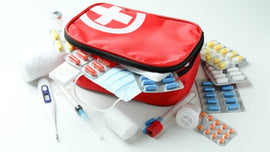
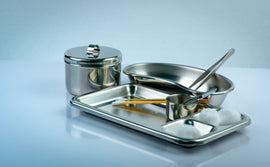
Rather than searching for individual items after an incident, an eye module can help keep relevant supplies grouped together and easier to locate.
Eye masks, eye shields and irrigation products may each have different roles depending on the situation. They should be used according to product instructions and workplace procedures, and they do not replace professional assessment when an injury is serious or symptoms persist.
Keeping eye-care supplies organised and accessible can also make it easier for workplaces and care environments to respond consistently when an unexpected incident occurs.
Eye health does not end with World Sight Day
World Sight Day helps put vision in the spotlight, but eye health is an everyday consideration.
Regular eye checks, screen breaks, UV protection, suitable workplace eye protection and knowing how to respond to irritation or exposure can all contribute to healthier vision over time.
For individuals, families and organisations, the most useful approach is often a simple one: notice changes, reduce avoidable risks, keep suitable first aid supplies accessible and know when further care is needed.
References
Healthdirect Australia 2026, Eye care, Australian Government, viewed 28 September 2026, https://www.healthdirect.gov.au/eye-care
International Agency for the Prevention of Blindness 2026, World Sight Day, IAPB, viewed 28 September 2026, https://www.iapb.world/world_sight_day


