
































































Infection Prevention and Control Week 2026, held from 18 to 24 October, is a timely reminder that infection prevention is shaped by what happens in everyday practice. This year’s Australian focus, “Past, present, and prepared for the future,” recognises progress in infection prevention while reinforcing the importance of consistent precautions today and continued preparedness for emerging risks.
That matters well beyond hospitals. Infection prevention principles can apply anywhere people, equipment, surfaces, sharps or body substances may come into contact, including aged and home care, disability support, dental practices, beauty and tattoo settings, first aid environments and community care.
How can contamination move between everyday tasks?
Infection risk is not always linked to one obvious event. It can develop through a sequence of routine actions.
A worker may assist a client, touch shared equipment, remove gloves, adjust a nearby surface and then begin another task. A dental team may move from treatment to instrument handling. A tattoo or beauty professional may finish with one client before resetting the workstation for the next.
These transition points matter because microorganisms can be transferred between hands, surfaces, equipment and people.
Standard precautions are designed to interrupt those pathways. In Australian healthcare, they are used for every patient regardless of whether an infection is known or suspected, and include hand hygiene, appropriate PPE, safe sharps handling, environmental cleaning, waste management and other infection prevention measures.

Why does hand hygiene matter at transition points?
Hands are involved in almost every care or service interaction, which makes hand hygiene one of the foundations of infection prevention.
The important idea is not simply to clean hands “regularly”, but to recognise when hand hygiene is required within a workflow. Moving between clean and contaminated tasks, removing PPE, handling equipment or transitioning between people can all create opportunities for transfer.
Making hand hygiene products easy to access where those transitions occur can help safer practice become part of the normal routine.
What does PPE protect against, and when is it needed?
Personal protective equipment creates a barrier between the wearer and potential sources of contamination, but the type of PPE required depends on the task and expected exposure.
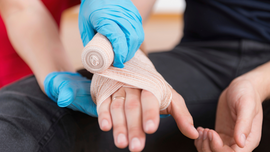
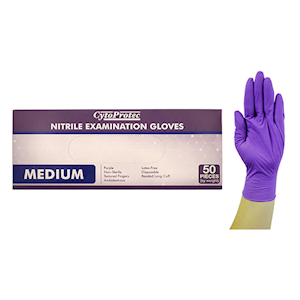
Gloves may be required where contact with blood, body substances, mucous membranes or contaminated materials is anticipated. Face masks, aprons, gowns and other protective wear may be appropriate where respiratory exposure, splashes or contamination of clothing is possible.
PPE should be selected according to risk and does not replace hand hygiene. Australian guidance emphasises consistent application of standard precautions and appropriate PPE for every patient and task where required.
What is the difference between cleaning and disinfection?
Cleaning and disinfection are related, but they are not the same process.
Cleaning removes visible dirt, organic matter and contamination from a surface. Disinfection uses an appropriate product or process to reduce microorganisms to a level considered suitable for the intended use.
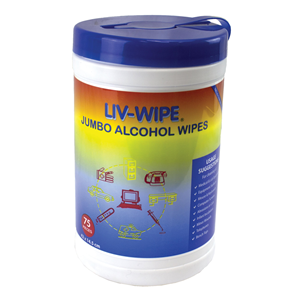
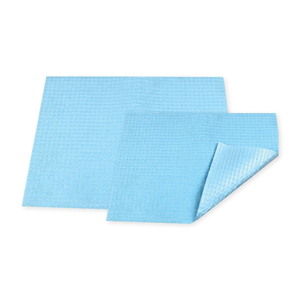
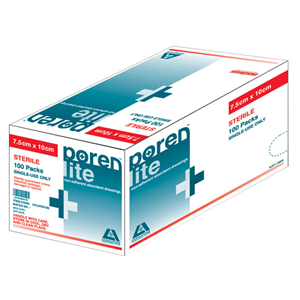
Depending on the environment and level of contamination, routine cleaning may involve cleaning supplies, while disinfectant wipes or other approved disinfectants may be required in specific circumstances.
Australian healthcare standards also require organisations to consider cleaning frequency, product suitability, staff training and the effectiveness of environmental cleaning processes.
How should sharps, spills and contaminated waste be managed?
What happens after a task is an important part of infection prevention.
Used sharps should be placed promptly into appropriate sharps disposal containers, helping reduce unnecessary handling and accidental exposure.
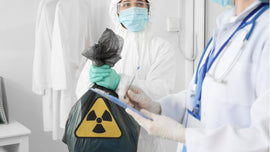
Other contaminated materials should be managed using suitable waste bags and the procedures required for that setting.
Blood or body fluid spills may also require a defined response using appropriate spill response products. Having the right products close to the point of use can help teams respond without unnecessary delays or movement through the environment.
Why can good infection prevention still break down?
A workplace may have good policies and adequate supplies but still experience gaps in practice.
Common problems can include unclear responsibility for cleaning shared equipment, PPE stored away from the point of use, overflowing or poorly positioned sharps containers, inconsistent stock replenishment or different team members following slightly different routines.
This is why infection prevention is not only about having products available. It is also about designing workflows that make the correct action clear, practical and repeatable.

What does being “prepared for the future” mean?
Preparedness does not necessarily mean adding more procedures. It can mean reviewing whether current routines still match how people actually work.
The 2026 IPC Week focus highlights risk management, surveillance, quality improvement and ongoing education as important parts of strengthening infection prevention into the future.
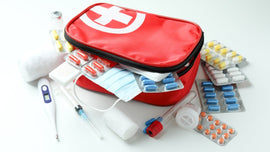
At a practical level, this might involve reassessing where hygiene products are stored, whether PPE is easy to reach, whether cleaning responsibilities are understood, or whether first aid and workplace safety supplies remain appropriate for the risks present.
Infection prevention is often strongest when the safer action is also the easiest action to take.
Infection prevention beyond IPC Week
Infection Prevention and Control Week provides an opportunity to revisit established practices, but effective infection prevention continues throughout the year.
Whether the setting is a hospital ward, home care visit, dental surgery, support service, beauty treatment room or tattoo studio, the underlying principle remains the same: understand how contamination may move, identify where precautions are needed and build those precautions into everyday practice.
The individual actions may appear simple. Their value comes from how consistently they are understood and applied.
References
Australian Commission on Safety and Quality in Health Care 2026, Infection Prevention and Control Week, Australian Government, viewed 12 October 2026, https://www.safetyandquality.gov.au/news-and-media/events-and-awareness-days/infection-prevention-and-control-week
Australian Commission on Safety and Quality in Health Care 2026, Standard and transmission-based precautions, Australian Government, viewed 12 October 2026, https://www.safetyandquality.gov.au/clinical-topics/infection-prevention-and-control/standard-and-transmission-based-precautions


