

























































Mealtimes are an important part of everyday care, providing opportunities for nourishment, comfort and social connection. Across aged care, home care, disability support and hospital settings, a positive dining experience involves more than simply preparing and serving food.
From maintaining hygiene to recognising individual preferences, thoughtful mealtime preparation helps create safer, more comfortable environments for people receiving care. Understanding the practices that contribute to effective mealtime support can help care teams balance safety, efficiency and personal dignity.
Why Does Mealtime Preparation Matter in Care Settings?
For individuals who depend on assistance with daily activities, mealtimes can influence independence, wellbeing and quality of life. An organised approach helps ensure meals are available when needed, dietary requirements are considered and appropriate support is provided.
The Australian Aged Care Quality and Safety Commission highlights the importance of nutritious, safe and enjoyable food and drink experiences that reflect individual needs and preferences (Aged Care Quality and Safety Commission, n.d.).
Although its strengthened Food and Nutrition Standard specifically applies to residential aged care, the underlying principles of choice, comfort and individualised support are valuable across other care environments.
Preparing appropriate food containers, serving equipment and dining spaces before meals can also help reduce unnecessary interruptions and support smoother routines.
How Can Good Hygiene Support Safer Food Handling?
Food hygiene is particularly important in care environments where individuals may be more vulnerable to foodborne illness. Maintaining clean preparation areas and following appropriate food handling practices helps reduce contamination risks.
Food Standards Australia New Zealand recommends thorough handwashing, clean protective clothing and minimising unnecessary contact with ready-to-eat foods (Food Standards Australia New Zealand, n.d.).
Access to suitable hand hygiene supplies supports regular handwashing, particularly before food preparation and after handling waste or potentially contaminated materials.
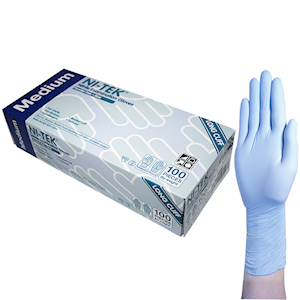
Depending on the task, appropriate disposable gloves, protective aprons, hair nets and sleeve protectors may help maintain hygiene during meal preparation.
However, protective wear should be selected according to its intended use and applicable food safety requirements. Gloves must be changed when contaminated or between incompatible tasks, and they never replace proper handwashing.
Why Are Individual Mealtime Needs Important?
Every person has different preferences, nutritional requirements and abilities. Some individuals may require assistance with eating, while others may need meals adapted to accommodate allergies, cultural preferences or clinically assessed dietary needs.
Recognising these differences is an important part of person-centred care.
For example, some individuals may benefit from smaller servings, alternative meal presentations or additional time to eat comfortably. Others may require specialised utensils or support from trained care professionals.
Suitable cups and drinking accessories and plates and cutlery can contribute to practical meal service, provided they meet the individual's needs.
Where swallowing difficulties or specific dietary modifications are identified, care teams should follow individualised plans developed by appropriately qualified healthcare professionals.
Importantly, supporting independence means encouraging individuals to participate in mealtimes according to their abilities and preferences rather than automatically providing assistance.

What Helps Create a Comfortable Mealtime Environment?
A positive mealtime experience considers the surrounding environment as well as the food being served.
Comfortable seating, accessible table arrangements, appropriate lighting and a calm atmosphere can make meals more enjoyable. Allowing adequate time to eat and providing opportunities for social interaction can also support wellbeing.
Presentation matters, too. Meals that look appealing and are served at suitable temperatures may encourage a more positive dining experience.
Care teams should also consider personal preferences, including where someone likes to eat, whether they enjoy company and the level of assistance they prefer.
These considerations help preserve dignity and make mealtimes feel less like a routine task and more like an opportunity for connection and enjoyment.
How Can Consistent Mealtime Routines Support Care Teams?
Well-organised routines help staff manage preparation, serving and clean-up while maintaining attention to individual needs.
Before meals, teams should confirm dietary instructions, prepare appropriate supplies and ensure preparation areas are clean. During service, communication between workers can help prevent confusion around individual requirements.
Afterwards, food-contact surfaces and equipment require appropriate cleaning, with products selected according to their intended use and workplace procedures.
Keeping bench rolls and suitable cleaning supplies readily available can support efficient clean-up and help maintain organised dining areas.
Consistent practices should also include observing and reporting changes in appetite, food intake or mealtime difficulties to appropriate care professionals.

What Does Good Mealtime Support Look Like in Everyday Care?
Effective mealtime support combines safe food handling, appropriate preparation and respect for individual preferences.
Whether meals are provided in a residential facility, hospital or someone's home, the goal remains the same: helping people receive suitable food and drink in an environment that supports comfort, safety and dignity.
With thoughtful planning, consistent hygiene practices and appropriate supplies, care teams can make everyday mealtimes more organised, enjoyable and person-centred.
Livingstone International offers a broad range of food service, protective wear and cleaning supplies for professional care environments.
References
Aged Care Quality and Safety Commission (n.d.) Food and nutrition. Australian Government. Available at: https://www.agedcarequality.gov.au/strengthened-quality-standards/food-and-nutrition
Food Standards Australia New Zealand (n.d.) Health and hygiene – advice for food handlers. Available at: https://www.foodstandards.gov.au/business/food-safety/health-and-hygiene-advice-for-food-handlers


