






































































Diabetes is a chronic condition that affects how the body regulates glucose in the blood. In Australia, around 1.3 million people were living with diabetes in 2022–24, highlighting its ongoing impact across individuals, families and the healthcare system. Australian Institute of Health and Welfare
With World Diabetes Day on 14 November focusing on “Early action on diabetes” in 2026, it is a timely opportunity to look at why recognising risk, accessing appropriate testing and managing diabetes consistently can matter at every stage.
What is diabetes and why does early detection matter?
Diabetes occurs when the body does not produce enough insulin, cannot use insulin effectively, or both. This can cause blood glucose levels to remain higher than recommended.
The main types include type 1 diabetes, type 2 diabetes and gestational diabetes. While the causes and management differ, early diagnosis can help people access appropriate care sooner and begin managing their health before complications develop or progress.
Type 2 diabetes can develop gradually and may not cause obvious symptoms at first. This is one reason the 2026 World Diabetes Day campaign is placing particular emphasis on early diagnosis and risk reduction.
What signs and risk factors should people be aware of?
Possible diabetes symptoms can include increased thirst, frequent urination, tiredness, blurred vision, slow-healing wounds and unexplained weight changes. However, some people may experience few noticeable symptoms.

Risk can also be influenced by age, family history, lifestyle, existing health conditions and a history of gestational diabetes.
These signs and risk factors do not confirm diabetes on their own. Appropriate assessment and testing by a healthcare professional are required for diagnosis.
How can blood glucose monitoring support diabetes management?
For people who have been advised to monitor their blood glucose, regular testing can provide information about how glucose levels change throughout the day.
Diabetes Australia explains that blood glucose monitoring can help people and their healthcare team understand how factors such as medication, food, physical activity, stress and illness may affect glucose levels.
Finger-prick testing may involve blood lancets to obtain a small capillary blood sample. Depending on the setting and procedure, alcohol swabs and small adhesive dressings may also form part of routine preparation or aftercare.
Urinalysis strips can also detect markers such as glucose and ketones as part of broader urine testing in appropriate clinical circumstances.
Why do patterns matter more than a single reading?
A blood glucose reading reflects one point in time.
Looking at patterns across multiple readings can provide a clearer picture of how glucose levels respond to meals, activity, medication, illness and other factors. Monitoring frequency and individual target ranges vary, so results should be interpreted with guidance from a healthcare professional.

Keeping a record of readings can also support more informed discussions with the healthcare team and help identify changes that may need further review.
What role does insulin administration play?
Some people with diabetes require insulin as part of their treatment plan.
Where insulin has been prescribed, suitable insulin syringes or other prescribed delivery devices may be used according to professional guidance.
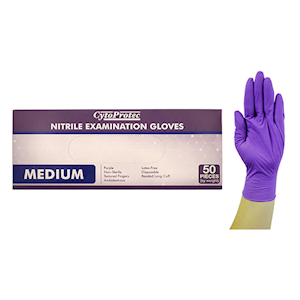
Safe technique, correct dosing and appropriate storage of insulin are important parts of treatment. Clinical and care environments may also use nitrile examination gloves where the task and exposure risk require them.
Diabetes management should always be individualised, as insulin requirements and monitoring routines can vary considerably from one person to another.
Why does sharps safety matter in diabetes care?
Blood glucose monitoring and insulin administration can generate used lancets and needles, making safe sharps disposal an important part of everyday diabetes management.
Used sharps should not be placed loose into general household or workplace waste. Suitable sharps collectors can help contain used needles and lancets and reduce the risk of accidental handling or needlestick injury.
This is relevant across hospitals, general practices, aged and home care, disability support and home monitoring environments.
Is diabetes management only about glucose?
No. Effective diabetes management can involve much more than monitoring glucose levels.
Depending on the individual, ongoing care may include medication, nutrition, physical activity, cardiovascular health, kidney health, eye checks, foot and skin awareness and regular clinical reviews.
This broader approach matters because diabetes can affect multiple parts of the body over time. Regular monitoring and professional review can help identify changes earlier and guide appropriate management.
Early action beyond World Diabetes Day
World Diabetes Day provides a timely reminder of the value of early diagnosis and risk reduction, but early action remains important throughout the year.
For people living with diabetes, carers and healthcare professionals, effective management depends on understanding results in context, using suitable monitoring and care products, and maintaining regular communication with the healthcare team.
Recognising risk earlier, monitoring changes and responding appropriately can help make diabetes management more informed, consistent and connected to the person’s wider health.
References
Australian Institute of Health and Welfare 2026, Diabetes: Australian facts, Australian Government, viewed November 2026, https://www.aihw.gov.au/reports/diabetes/diabetes/contents/summary
Diabetes Australia n.d., Blood glucose monitoring, Diabetes Australia, viewed November 2026, https://www.diabetesaustralia.com.au/managing-diabetes/blood-glucose-monitoring/
International Diabetes Federation 2026, World Diabetes Day: Early action on diabetes, viewed November 2026, https://worlddiabetesday.org/


