





















































Antimicrobial resistance, or AMR, is one of the most significant challenges facing modern healthcare. It occurs when microorganisms change in ways that make antimicrobial medicines less effective, making some infections harder to treat.
World AMR Awareness Week runs from 18 to 24 November each year. In 2026, the theme “One Health, one action: Prevent AMR now” highlights the need for coordinated action across human, animal and environmental health. In everyday care, that action includes using antimicrobials appropriately, preventing avoidable infections and reducing opportunities for resistant microorganisms to spread.
What is antimicrobial resistance?
Antimicrobials include antibiotics, antivirals, antifungals and antiparasitic medicines. They are used to prevent and treat infections caused by different microorganisms.
AMR develops when microorganisms such as bacteria, viruses, fungi or parasites change and become resistant to medicines that previously worked against them. The Australian Commission on Safety and Quality in Health Care notes that antimicrobial resistance can affect all classes of antimicrobial medicines, not only antibiotics.
Resistance can occur naturally over time, but inappropriate or unnecessary antimicrobial use can accelerate the process. Resistant microorganisms can also spread between people, meaning AMR can affect someone even if they have not personally used antimicrobial medicines.

Why does appropriate antimicrobial use matter?
Antimicrobials remain essential medicines, but their effectiveness depends on using them appropriately.
Antimicrobial stewardship aims to ensure the right antimicrobial is used only when needed, at the right dose, route, frequency and duration. This supports effective treatment while helping minimise unnecessary antimicrobial exposure.
For consumers, this means antibiotics should not be expected for every illness, particularly when an infection is viral or likely to improve without them. For healthcare professionals, prescribing, reviewing and stopping antimicrobial treatment appropriately are all part of broader AMR prevention.
Following professional advice also matters. People should take antimicrobial medicines exactly as directed and avoid using leftover medicines or sharing them with others.
How does infection prevention help reduce AMR?
Preventing infection can reduce the need for antimicrobial treatment in the first place.
Good hand hygiene helps reduce opportunities for microorganisms to move between people, surfaces and equipment. In care environments, easy access to hand hygiene products can help make this part of routine practice.
Depending on the task and exposure risk, gloves, face masks and gowns may also form part of standard precautions. These products do not prevent AMR directly, but they can help reduce transmission when used correctly and as part of wider infection prevention practices.
The Commission’s World AMR Awareness Week resources also highlight infection prevention, vaccination and appropriate antimicrobial prescribing as important actions in limiting the spread of resistance.

Why do cleaning and shared surfaces matter?
Microorganisms can spread through shared environments as well as direct person-to-person contact.
Frequently touched surfaces, reusable equipment and shared treatment areas can become part of a transmission pathway if cleaning responsibilities are unclear or inconsistent.
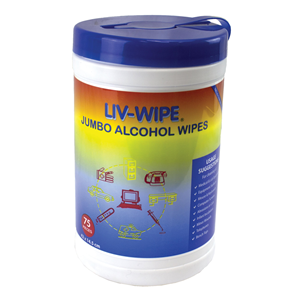
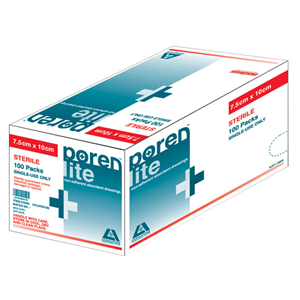
Appropriate disinfectant wipes and cleaning supplies can support established environmental cleaning procedures, depending on the surface and level of contamination. Products should always be used according to manufacturer instructions and local workplace procedures.
Clear cleaning responsibilities matter too. Knowing what needs to be cleaned, when it should happen and who is responsible can help reduce gaps during busy routines.
Where do sharps, waste and spills fit in?
Safe handling after a procedure or care task is another part of infection prevention.
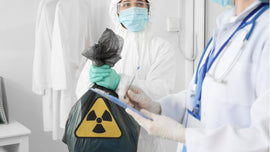
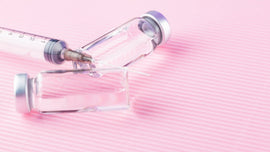
Used needles and other sharps should be placed promptly into suitable sharps disposal containers to reduce unnecessary handling and accidental exposure. Contaminated materials should be managed using appropriate waste bags and local waste procedures.
Where blood or body fluid spills occur, suitable spill response products can help teams contain and clean the affected area.
These measures are not antimicrobial treatments. Their role is to help reduce exposure, contamination and transmission, which can reduce opportunities for infections that may require antimicrobial therapy.
Does AMR only matter in hospitals?
No. Antimicrobial resistance can affect people across hospitals, general practice, aged and home care, disability support, dental services and community care.
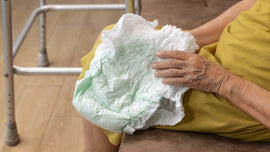
The precautions required will differ between settings. A hospital may have formal antimicrobial stewardship and surveillance programs, while a home-care environment may focus more heavily on hand hygiene, safe waste handling and preventing infection during routine care.
The same principle applies across settings: prevent infections where possible, use antimicrobials appropriately and reduce opportunities for resistant microorganisms to spread.
What does “Prevent AMR now” mean in everyday practice?
The 2026 World AMR Awareness Week theme reinforces that antimicrobial resistance cannot be addressed through one action alone.
For healthcare professionals, action includes antimicrobial stewardship, infection prevention, surveillance and appropriate prescribing. For patients and consumers, it includes following professional advice, using antimicrobial medicines only as directed and understanding that antibiotics are not appropriate for every infection.
For care environments, it also means maintaining consistent hygiene, cleaning, PPE, sharps and waste-management practices.
World AMR Awareness Week brings attention to the issue each November, but preserving the effectiveness of antimicrobial medicines depends on these actions continuing throughout the year. Consistent decisions across prescribing, prevention and everyday care help protect antimicrobial effectiveness for the future.
References
Australian Commission on Safety and Quality in Health Care 2026, World AMR Awareness Week, Australian Government, viewed November 2026, https://www.safetyandquality.gov.au/news-and-media/events-and-awareness-days/world-amr-awareness-week
Australian Commission on Safety and Quality in Health Care 2026, Antimicrobial Stewardship, Australian Government, viewed November 2026, https://www.safetyandquality.gov.au/clinical-topics/antimicrobial-stewardship


